
Hearing representation

Detailed Assessment Advocacy

Prepared, focused advocacy at detailed assessment hearings from qualified Costs Lawyers who understand the Bill, the evidence and the commercial decisions behind the dispute.

Qualified Costs Lawyers, regulated by the Costs Lawyers Standards Board (CLSB), supported by experienced Costs Draftsmen.

Speak to our team

How can we help?

Tell us about your costs question and any deadline.

Your details are used to respond, not for marketing.

Advice from individually CLSB-regulated Costs Lawyers.

Prefer to call? 020 4538 3944
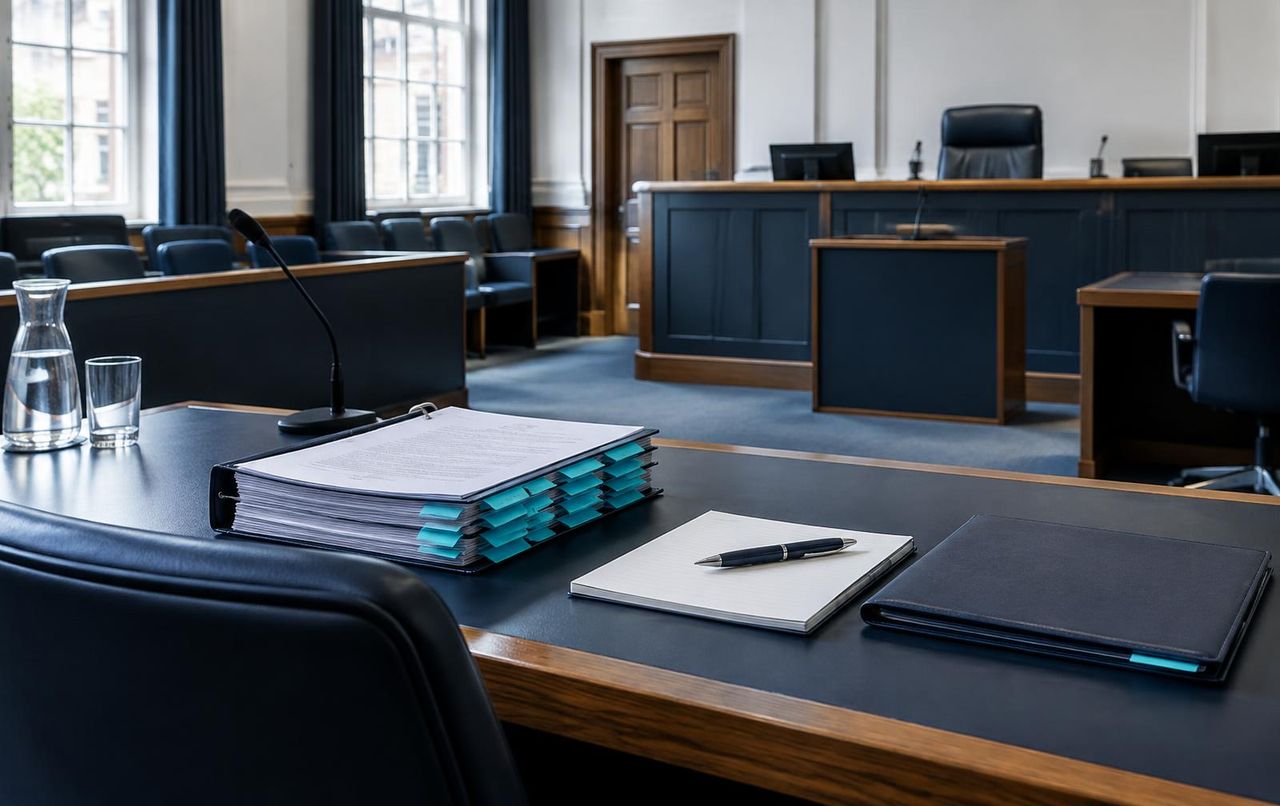
Indexed hearing bundle and advocate's notebook prepared in a costs courtroom
Effective advocacy begins with command of the Bill, Points, Replies and evidence.

How we help

Precise work, practical advice.

A detailed assessment hearing determines disputed legal costs after written Points and Replies have defined the issues. Our qualified Costs Lawyers can prepare and present the costs case, whether instructed for the hearing alone or involved from an earlier stage. The objective is clear advocacy supported by accurate figures and a realistic view of litigation risk.

  • Qualified Costs Lawyer oversight
  • Receiving and paying party work
  • Clear scope and deadlines
  • Nationwide support

Complex matters

Advocacy in complex and high-value assessments

Complex hearings may involve preliminary issues, multiple budgets, extensive electronic Bills, expert evidence about specialist work or linked disputes between several parties. We organise the case around the decisions the court must make, identify points with wider financial effect and ensure the supporting material can be found quickly. Director involvement and familiarity with costs drafting allow technical spreadsheet detail and procedural argument to be presented as one coherent case.

01

What happens at a detailed assessment hearing

The judge or authorised court officer considers the disputed costs by reference to the costs order, Bill, Points of Dispute, Replies, evidence and submissions. The hearing may address preliminary issues first and then move through phases or items. The precise format depends on the court, size of the Bill and directions made.

Some assessments take place remotely or in hybrid form, while others are in person. Practical requirements for filing, bundles and attendance should be checked with the relevant court. We prepare for the listed format and make sure the client understands how the hearing is likely to proceed.

02

Preparation before the hearing

We review the complete assessment history, including offers and concessions. Arithmetic is checked, unresolved issues are identified and the evidence is matched to the submissions. Where the matter has been prepared by another representative, we raise focused questions early enough for the answers to be useful.

A conference can help clarify the litigation history or the commercial priorities. We then prepare an issue plan, authorities and working calculations. The aim is to be able to explain the point, take the court to the relevant material and state the practical consequence without unnecessary detour.

03

Representation for receiving and paying parties

For a receiving party, advocacy may involve explaining why work was reasonably undertaken, addressing proportionality, supporting rates and disbursements, and dealing with the relationship between the Bill and approved budgets. For a paying party, it may involve showing why a claimed item or category should be reduced or disallowed on the evidence and rules.

In both roles, credibility matters. We distinguish points that should be pursued from those where a concession is appropriate. The advocate must also keep the running calculation and any offer consequences in view as decisions are made.

04

Provisional assessment and oral review

Bills within the applicable threshold may first be assessed on the papers. If a party requests an oral hearing in relation to particular decisions, the rules on timing and costs consequences require careful attention. The oral hearing is not simply an opportunity to repeat everything lodged previously.

We assess whether the points selected for challenge justify the hearing risk, prepare focused submissions and ensure the court has the necessary papers. That advice should be taken before the request is made, not only when the hearing date arrives.

05

After the hearing

The decisions must be reflected in the final figures and certificate. Questions about interest, costs of the assessment and the effect of offers may remain. We check the calculations and help resolve the form of order so the outcome is recorded accurately.

If a party is considering a review or appeal, the basis and deadline should be examined immediately. The available route depends on who made the decision and how it was made. This is a case-specific issue requiring prompt advice.

From instruction to the next decision

  1. 1. Agree the task

    Identify the parties, purpose, next deadline and relevant order. Confirm the scope, charging basis and who will approve the work before proceeding.

  2. 2. Prepare and check

    Provide the records needed for this service. Resolve evidence and calculation queries and review the draft document or advice against the agreed instruction.

  3. 3. Decide the next step

    Confirm final approval and responsibility for filing or service. Negotiation, further advice and hearing representation must fall within the agreed scope; they are not automatic additions.

For assessment advocacy, agree whether the deliverable is a draft for approval, a final document, written advice or hearing representation. The instruction determines what is included; no turnaround or recovery result is guaranteed.

Relevant reported costs work

Source-backed case histories, not testimonials or predictions for your matter. Negotiated settlements are distinguished from court decisions.

Featured guides

Need advice on your own figures? Send us your costs question.

Frequently asked questions

Questions about assessment advocacy

Who can represent a party at a detailed assessment hearing?

Rights of audience are regulated. Qualified Costs Lawyers may conduct costs litigation and advocacy within their authorisation, alongside other appropriately authorised legal representatives. We confirm the right representation for the particular hearing.

Can a detailed assessment hearing be remote?

Yes, some hearings are remote or hybrid, depending on the court and directions. The listing notice and current practice for the relevant court should be checked.

Do you accept hearing-only instructions?

Yes, subject to conflicts, capacity and sufficient preparation time. Earlier instruction is usually preferable on a complex matter because it allows evidence and written positions to be reviewed before the hearing bundle is finalised.

What happens after the judge assesses the Bill?

The allowed items are calculated and the result is recorded in the appropriate certificate or order. Interest, assessment costs and offer consequences may also need to be resolved.

This page provides general information, not advice on a specific case. Procedure, deadlines and court requirements should be checked for the individual matter. Contact our team to discuss your papers and deadlines, or learn more about our Costs Lawyers.

Primary rules and resources

Discuss this service

Discuss a matter

What is your next costs question?

A bill to challenge, a budget to prepare or a hearing ahead? Tell us about the matter and any deadline.

Practical preparation

Preparing costs submissions that answer the dispute

Give the advocate a complete position

The advocate needs more than the bill and an instruction to achieve a particular figure. Provide the order, objections, replies, relevant budgets and supporting evidence, together with a clear explanation of unresolved issues. Flag any change since the last offer or exchange of papers. Agree how instructions and settlement authority will be obtained if the court’s questions or the opponent’s concessions alter the position during the hearing.

Plan for the decision after the argument

Prepare alternative calculations for the major issues, not only the preferred outcome. A decision about rates or a recurring category of time may affect many entries. Record the court’s conclusions and confirm what further calculation, certificate or procedural step is required. The hearing’s financial outcome also includes the costs of assessment itself, which should be considered alongside the underlying bill and settlement history.

More questions about this topic

Can an advocate be instructed without having drafted the bill?

Yes, subject to suitability, authorisation and sufficient preparation time. A complete handover is needed so the advocate can understand the evidence and disputed positions.

Does a strong written case guarantee the hearing result?

No. The court evaluates the applicable rules, evidence and submissions. Advice should address the risks and likely financial range rather than promise a result.

What should be recorded after the hearing?

Record the decisions, revised figures, order and any remaining steps. Confirm who will undertake further calculations and procedural work.

The people behind the advice

Thomas Higginbottom & Robert Collington

Thomas’s assessment disputes and Robert’s complex Bills of Costs experience support evidence-led hearing preparation. The named representative’s authorisation and hearing scope are confirmed before instruction.

Thomas Higginbottom

Thomas Higginbottom

Director & Costs Lawyer · CL1794

Thomas Higginbottom is a director of Arc Costs and a Costs Lawyer who qualified in 2024 after completing the ACL course. Regulated by the Costs Lawyers Standards Board (CL1794), he specialises in inter partes costs disputes, negotiations, Points of Dispute and Points of Reply.

Profile & recent articles
Robert Collington

Robert Collington

Director & Costs Lawyer · CL1601

Robert Collington is a director of Arc Costs and a CLSB-regulated Costs Lawyer (CL1601). He has worked in legal costs since 2010, completed the ACL course and qualified in 2020. His practice includes legal aid billing, complex inter partes recovery, Bills of Costs and costs budgeting.

Profile & recent articles

Both completed the ACL course. The Costs Lawyers are individually regulated by the Costs Lawyers Standards Board; regulation does not apply to the company or every member of the drafting team.