
Costs hearing representation

Provisional Assessment Oral Hearing Advocacy

A provisional assessment starts on paper, but disputed decisions may lead to an oral hearing. We help receiving and paying parties identify the decisions worth challenging, assess the financial risk and prepare focused advocacy under CPR 47.15.

Qualified Costs Lawyers, regulated by the Costs Lawyers Standards Board (CLSB), supported by experienced Costs Draftsmen.

Quick enquiry

Tell us about your matter

We do not use enquiry details for marketing.

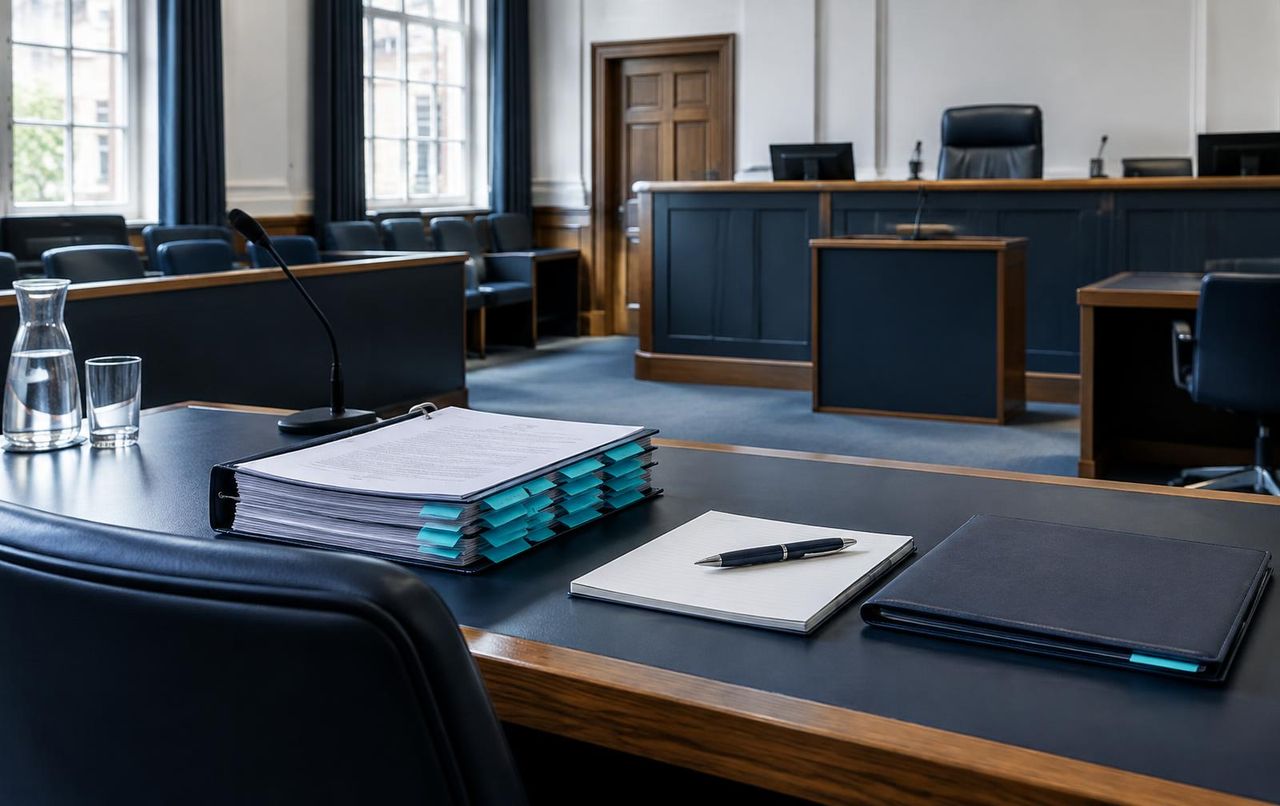
Indexed costs assessment bundle ready for review before an oral hearing
Preparation connects the court rules, the evidence and the financial consequences.

How we help

Precise work, practical advice.

The question is not simply whether a party dislikes the provisional result. It is whether identified decisions can be challenged on a sound evidential or legal basis and whether the likely improvement justifies the additional cost. Our Costs Lawyers review the assessed bill, points of dispute, replies and notice before advising on the request. We distinguish this limited oral challenge from a fresh, unrestricted detailed assessment hearing.

  • Qualified Costs Lawyer oversight
  • Receiving and paying party work
  • Clear scope and deadlines
  • Nationwide support

Complex matters

Representation in complex costs matters

A provisional assessment can contain a short decision with a substantial effect across many entries. A disputed hourly rate, repeated category of time or approach to proportionality may change the overall result. We trace that effect through the bill and separate material issues from small disagreements that would absorb disproportionate hearing time. Where budgets or funding documents are relevant, we identify the precise provisions and supporting evidence rather than treating complexity itself as a reason to reopen the assessment.

01

How provisional assessment works

Under CPR 47.15, eligible detailed assessment proceedings are assessed using the bill and supporting papers, together with points of dispute and any replies. The current Practice Direction 47 sets the monetary threshold. This paper process is designed to resolve costs without the expense of a full oral hearing. The court can direct a hearing if the matter is unsuitable for provisional assessment.

Clear written documents therefore matter from the outset. The judge should be able to understand the challenge, response and relevant evidence without asking questions in court. Our detailed assessment proceedings service can help before the provisional decision, while these instructions focus on evaluating and presenting an oral challenge once the decision has arrived.

02

The request and the 21-day period

CPR 47.15(7) requires a party wishing to challenge an aspect of the provisional assessment to file and serve a written request within 21 days of receipt of the notice. The request must identify the items to be reviewed and provide a time estimate. Do not wait for a hearing date before taking advice: the first critical step is preserving the correct challenge.

We check the notice, receipt date, any relevant directions and the decisions selected for review. If no timely request is filed and served, the provisional assessment becomes binding, save in exceptional circumstances. Any concern about lateness requires immediate case-specific advice rather than an assumption that an extension will be available.

03

Understanding the 20% costs risk

Under CPR 47.15(10), a party requesting an oral hearing ordinarily pays the costs of and incidental to that hearing unless it achieves an adjustment in its own favour of 20% or more of the sum provisionally assessed, or the court otherwise orders. Winning a particular item is not necessarily enough. The overall financial adjustment must be understood.

We prepare scenarios showing the disputed value, plausible changes and likely hearing expense. The special costs limit for proceedings that do not go beyond provisional assessment should not be assumed to protect a party once an oral hearing is requested. Settlement offers, the conduct of the parties and the court’s discretion also need attention when advising on risk.

04

Preparing and presenting the challenge

The hearing plan follows the items identified for review. We match each issue to the original points of dispute, replies, assessed decision and supporting document. A short schedule can show the original claim, provisional allowance, proposed adjustment and the reason for it. This makes both the argument and its financial consequence easier to follow.

New material or issues are not assumed to be admissible merely because a hearing has been requested. We consider any permission or directions required and keep the submissions within the proper scope. After the hearing, the revised figures, costs consequences and certificate must be checked. We also advise whether an offer or targeted concession would resolve the dispute more efficiently.

Frequently asked questions

Questions about provisional assessment hearings

Is an oral hearing the same as an appeal?

No. CPR 47.15 provides a specific mechanism for reviewing identified provisional assessment items. Other reviews and appeals have different rules, routes and deadlines; the procedure depends on the decision being challenged.

Can both parties request a hearing?

The rules allow a party to request review of identified items. Where requests overlap or both parties seek adjustments, the issues and potential costs consequences should be considered together before the hearing.

Does any improvement mean we recover hearing costs?

No. The usual rule refers to an adjustment of at least 20% of the sum provisionally assessed, not merely success on one point. The court can otherwise order, but that discretion should not be treated as guaranteed.

What documents do you need?

Provide the provisional decision and notice, the bill, points of dispute, replies, supporting papers, offers and any request already filed. Tell us when the notice was received and whether a hearing has been listed.

This page provides general information, not advice on a specific case. Procedure, deadlines and court requirements should be checked for the individual matter. Contact our team to discuss your papers and deadlines, or learn more about our Costs Lawyers.

Primary rules and resources

Discuss this service

Discuss a matter

Clear advice starts with a conversation.

Contact our Costs Lawyers