
Choosing specialist support

Costs Lawyer or Costs Draftsman: what is the difference?

Understand the difference between a Costs Lawyer and a Costs Draftsman, and how a combined team supports drafting and complex costs disputes.

Quick enquiry

Tell us about your matter

We do not use enquiry details for marketing.

All insightsBy Thomas Higginbottom · · 5 min read
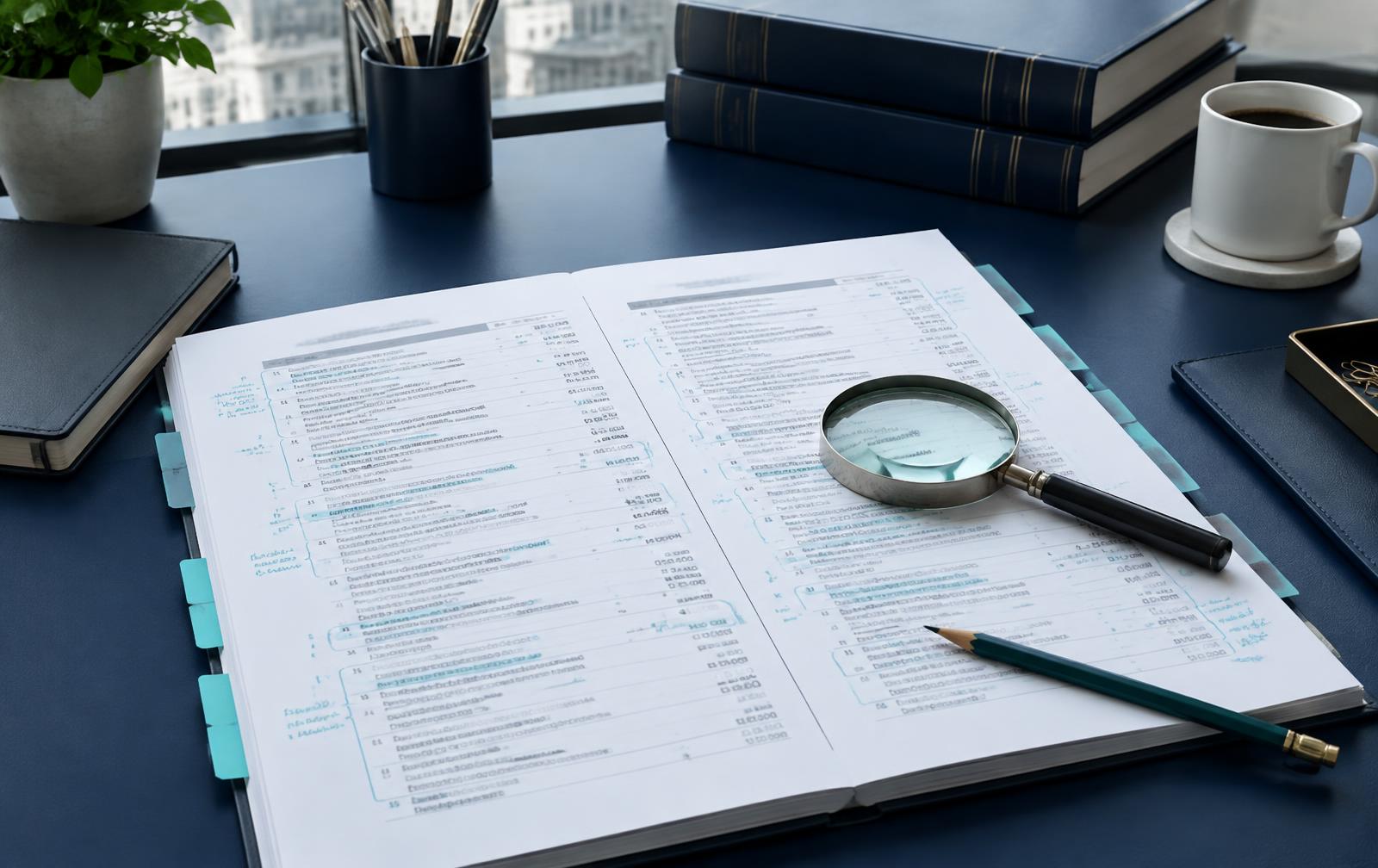
Electronic bill of costs and supporting litigation file on a desk

The short answer

Costs Draftsmen and Costs Lawyers can both contribute specialist costs expertise, but the titles are not interchangeable. Check individual regulation, authorisation and experience, then choose the team that fits the instruction.

What is a law Costs Draftsman?

A law Costs Draftsman specialises in preparing and analysing legal costs documents. The work may include traditional and electronic bills of costs, costs schedules, budgets and supporting calculations. Skilled drafting involves understanding a litigation file, not merely copying time entries into a different format. The sequence of events, funding position and orders all affect how the costs should be presented.

The description Costs Draftsman does not, by itself, establish that a person is regulated by the Costs Lawyers Standards Board or authorised to carry out reserved legal activities. Equally, it says nothing conclusive about the depth of their practical experience. Some professionals use both descriptions. Always check the particular person’s status and the service being offered.

What distinguishes a Costs Lawyer?

A Costs Lawyer is a regulated professional whose practising status can be checked with the Costs Lawyers Standards Board. That distinction matters when an instruction goes beyond document preparation and requires legal advice, litigation steps or representation. The relevant authorisation and its limits must still be checked for the work and forum in question.

Regulation should not be treated as a substitute for asking about relevant experience. A practitioner’s familiarity with complex commercial cases, clinical negligence litigation or a particular funding arrangement can be important. Ask who will supervise the instruction and who will make the decisions if a drafting issue becomes a substantive dispute about entitlement.

Why accurate drafting still needs judgement

A bill must describe and organise the work so that another reader can assess it. Poorly explained entries, inconsistent phases or missing disbursement evidence can create avoidable questions. Costs budgets likewise need assumptions that reflect the intended conduct of the case. The quality of the underlying analysis affects the usefulness of the finished document.

For high-value litigation, the challenge is often maintaining the connection between the chronology, costs orders and individual items. Several fee earners may have worked across different phases, with changes in experts or counsel along the way. A drafting team needs a clear process for identifying gaps and escalating issues rather than making unsupported assumptions.

How a combined team can support a complex matter

Experienced Costs Draftsmen can work through the file and prepare detailed documents, while qualified Costs Lawyers provide oversight and advice on the disputed or procedural issues. This is the approach at Costs Lawyer by Arc Costs. The allocation of work should follow the needs of the case, with clear responsibility and continuity throughout the instruction.

For example, preparing a bill may expose uncertainty about the effect of an earlier order. Later, points of dispute may challenge entitlement rather than simply the amount of time claimed. A team with drafting and legal costs expertise can identify that change in the problem and consider how it should be addressed before negotiations progress.

Questions to ask before instructing a team

Ask who will prepare the document, who will review it and who will advise if a dispute arises. Establish whether the proposed scope includes negotiation, replies to points of dispute or detailed assessment proceedings. These are connected tasks, but they should not be assumed to fall within a drafting-only instruction.

Provide the costs order, funding details, time records and any applicable budget at the outset. Explain the deadline and the commercial priorities. Comparing providers solely by the price of a document can miss the value of careful investigation, relevant expertise and a clear explanation of the work included. The right choice is the service that fits the matter, not a label in isolation.

What a well-scoped drafting instruction looks like

Before sending a file, agree what the finished work should achieve. An electronic bill may be needed for commencement, an internal review may be intended to test exposure, or a budget may support an upcoming costs management hearing. Each purpose calls for different information and review. Establish the required format, the intended recipient and who will check the underlying assumptions. A document prepared for one purpose should not simply be reused for another without considering what has changed.

For example, a hypothetical multi-party case might contain time recorded against several clients, common expert work and separate orders. The drafting task includes separating the material accurately and flagging uncertainty about allocation. The legal analysis may require an assessment of what each order permits. These connected tasks should be recognised in the instruction rather than hidden within a request to produce a bill by a particular date. The example illustrates a workflow, not a claim about any client’s result.

Continuity also matters after the document is delivered. Ask how queries will be handled, what supporting records should be retained and whether further advice will require a separate instruction. If points of dispute arrive, the person responding needs to understand the choices made during drafting. A clear handover records unresolved issues rather than leaving the next practitioner to reconstruct them. Our combined team approach brings qualified Costs Lawyer oversight together with experienced Costs Draftsmen, while keeping the proposed scope and responsibilities explicit.

Frequently asked questions

Does a Costs Draftsman title establish regulation?

No. The title alone does not establish CLSB regulation or authorisation for reserved legal activities. Check the individual’s current status, relevant experience and the work they are being asked to undertake.

Can one team handle drafting and later disputes?

Yes, where those services are agreed and the relevant practitioners are appropriately authorised. Confirm whether advice, negotiation, replies and assessment preparation are included, rather than assuming a drafting fee covers every later stage.

Rules and further reading

General information for England and Wales, not advice on a specific case. Check current rules, orders and individual authorisations. Contact our Costs Lawyers to discuss your papers and deadlines.

Discuss a matter

Clear advice starts with a conversation.

Contact our Costs Lawyers