

Working with a Costs Lawyer

What do Costs Lawyers do?

What a Costs Lawyer does, when to instruct one and how specialist drafting, advice and advocacy support complex legal costs matters.

Quick enquiry

Tell us about your matter

We do not use enquiry details for marketing.

All insightsBy Thomas Higginbottom · · 5 min read
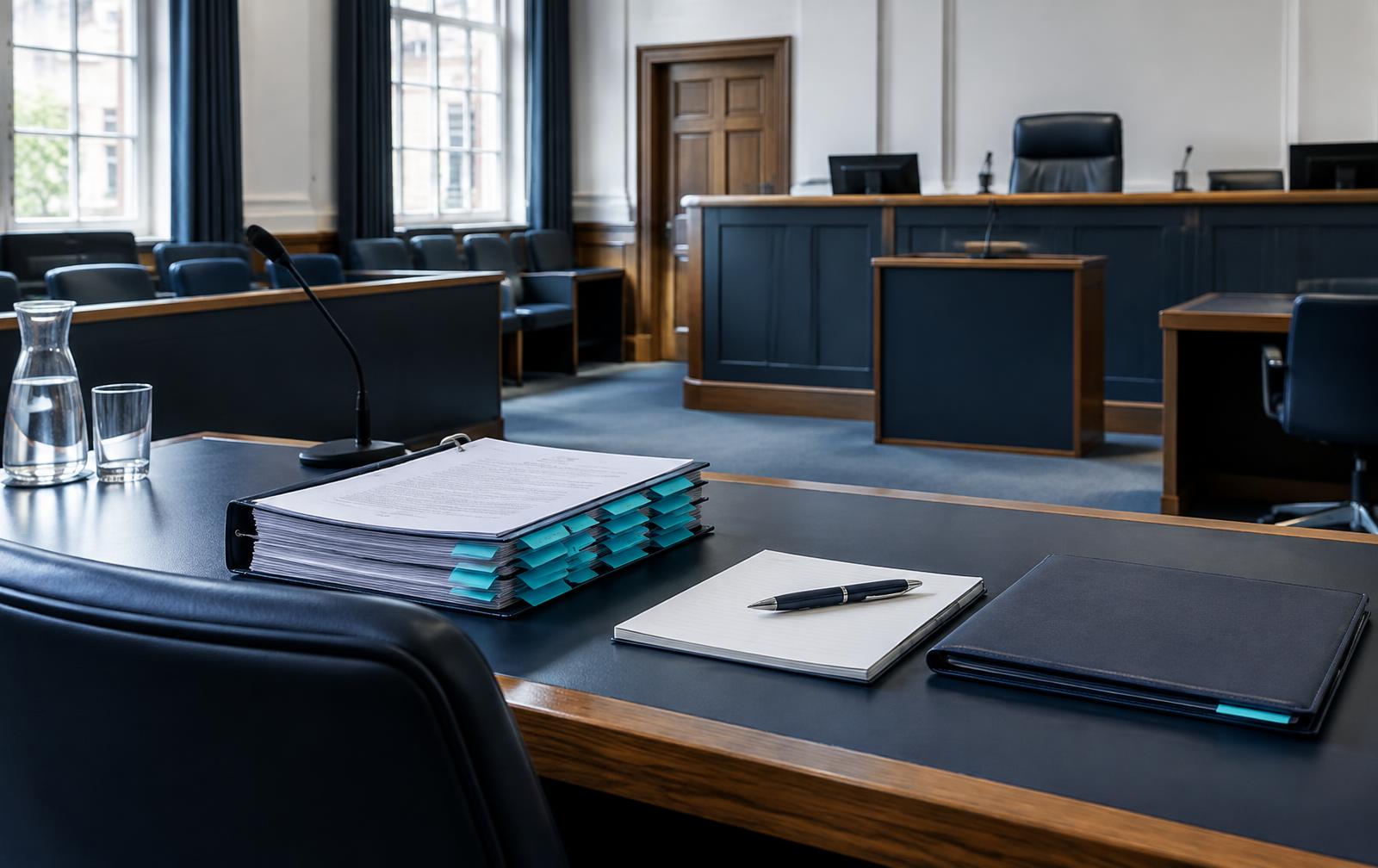
Legal costs papers and calculator ready for specialist review

The short answer

A Costs Lawyer focuses on the law and practice of legal costs: planning the costs position, presenting a claim, challenging it and resolving disputes. Early advice can be just as valuable as assistance after settlement.

A specialist in the costs of litigation

A Costs Lawyer is a regulated legal professional specialising in legal costs. The role is different from that of the solicitor running the underlying claim: the focus is on how legal expenditure is recorded, justified, recovered or challenged. That can involve a single document or a connected instruction spanning budgeting, drafting, negotiation and assessment.

The Costs Lawyers Standards Board regulates Costs Lawyers in England and Wales. When selecting a professional, check their current practising status and the scope of the proposed work rather than relying on a job title alone. A good instruction identifies who is responsible, what advice is needed and which deadlines must be met.

What work can a Costs Lawyer help with?

During a claim, costs budgets translate the litigation plan into phases, figures and assumptions. Specialist input helps the legal team test whether disclosure, expert evidence and trial preparation have been realistically reflected. A budget is not simply an estimate for the client: where costs management applies, it sits within a procedural framework that needs careful attention.

After the case concludes, bills of costs present the work undertaken and the basis of recovery. For a receiving party, the task is to support the claim with accurate records and a clear narrative. For a paying party, points of dispute identify properly reasoned objections to the sums claimed. Replies to points of dispute then address those objections and the supporting evidence.

Does every costs disagreement need a hearing?

No. A substantial part of costs work involves understanding the dispute and finding a sensible settlement position. The difference between the parties’ figures is only part of that assessment. The strengths of individual arguments, the available documents and the likely expense of continuing all matter. A detailed objection is not automatically a commercially worthwhile one.

Where agreement is not possible, detailed assessment proceedings provide a route for the court to determine the recoverable amount. Preparation may include reviewing the bill, narrowing objections, organising the bundle and advising on offers. Hearing representation must be considered against the practitioner’s authorisation and the particular forum; it should never be assumed from a title alone.

When should you instruct a Costs Lawyer?

Early instruction is particularly helpful when costs will influence case strategy, when a budget is approaching or when the claim has unusual funding or evidential issues. Multiple parties, extensive disclosure, substantial expert evidence and a lengthy procedural history can create costs questions long before settlement. Waiting until a document is due can reduce the opportunity to investigate them.

If an opponent’s bill has already arrived, establish the service date and any applicable deadline immediately. Send the costs order, bill, accompanying papers and relevant correspondence together. A Costs Lawyer can then advise on the next step in context rather than responding to an isolated total. Case-specific procedural dates should be checked against the current rules and court orders.

How our team approaches an instruction

At Costs Lawyer by Arc Costs, qualified Costs Lawyers are supported by experienced Costs Draftsmen. Our directors, Thomas Higginbottom and Robert Collington, bring specialist costs experience to the work. We support receiving and paying parties, including technically demanding and high-value matters, with attention to the papers and the commercial objective.

The starting point is a conversation about the underlying case, the stage reached and the decision you need to make. Clear scope matters: preparing a bill, negotiating a settlement and attending a hearing are distinct tasks. Ask what is included, who will handle it and what information is needed before agreeing the instruction.

Turning a large file into a clear costs instruction

A complex instruction often starts with a practical problem: the legal team has extensive records, but no single account of how the costs position developed. Separate the material into the court’s orders, the work recorded and the decisions still required. This makes it easier to distinguish a missing document from a genuine disagreement about recovery. It also prevents an early estimate being mistaken for an approved budget or a final costs entitlement.

Consider a hypothetical matter involving several experts and revised directions. The file may explain why additional work became necessary, while the time ledger alone may not. The costs team needs the instructions, relevant correspondence and orders to connect that work to the claim. Explaining the sequence does not establish that every expense is recoverable; it gives the practitioner the information needed to assess and present the position properly.

For the instructing solicitor, useful questions include whether the next decision concerns the budget, settlement or preparation for assessment. For a client, the immediate concern may instead be the difference between the firm’s charges and the costs recoverable from an opponent. Those are not automatically the same figure.

Frequently asked questions

Can I instruct a Costs Lawyer before a case settles?

Yes. Advice can be useful when preparing costs budgets, reviewing the costs implications of a litigation plan or identifying the records needed for later recovery. The scope should reflect the stage of the case.

Will all my legal fees be recovered?

Not necessarily. The costs order, applicable rules, funding position and assessment principles affect recovery. Your liability to your own legal team is a separate question and should be considered alongside the proposed claim against an opponent.

Rules and further reading

General information for England and Wales, not advice on a specific case. Check current rules, orders and individual authorisations. Contact our Costs Lawyers to discuss your papers and deadlines.

Discuss a matter

Clear advice starts with a conversation.

Contact our Costs Lawyers