

Costs recovery procedure

Costs-only proceedings under CPR 46.14: settlement before a claim

When CPR 46.14 costs-only proceedings apply after pre-action settlement, the written agreement, Part 8 procedure, fixed costs and preparation for assessment.

Qualified Costs Lawyers, regulated by the Costs Lawyers Standards Board (CLSB), supported by experienced Costs Draftsmen.

Speak to our team

How can we help?

Tell us about your costs question and any deadline.

Your details are used to respond, not for marketing.

Advice from individually CLSB-regulated Costs Lawyers.

Prefer to call? 020 4538 3944
All insightsBy Robert Collington · · 6 min read
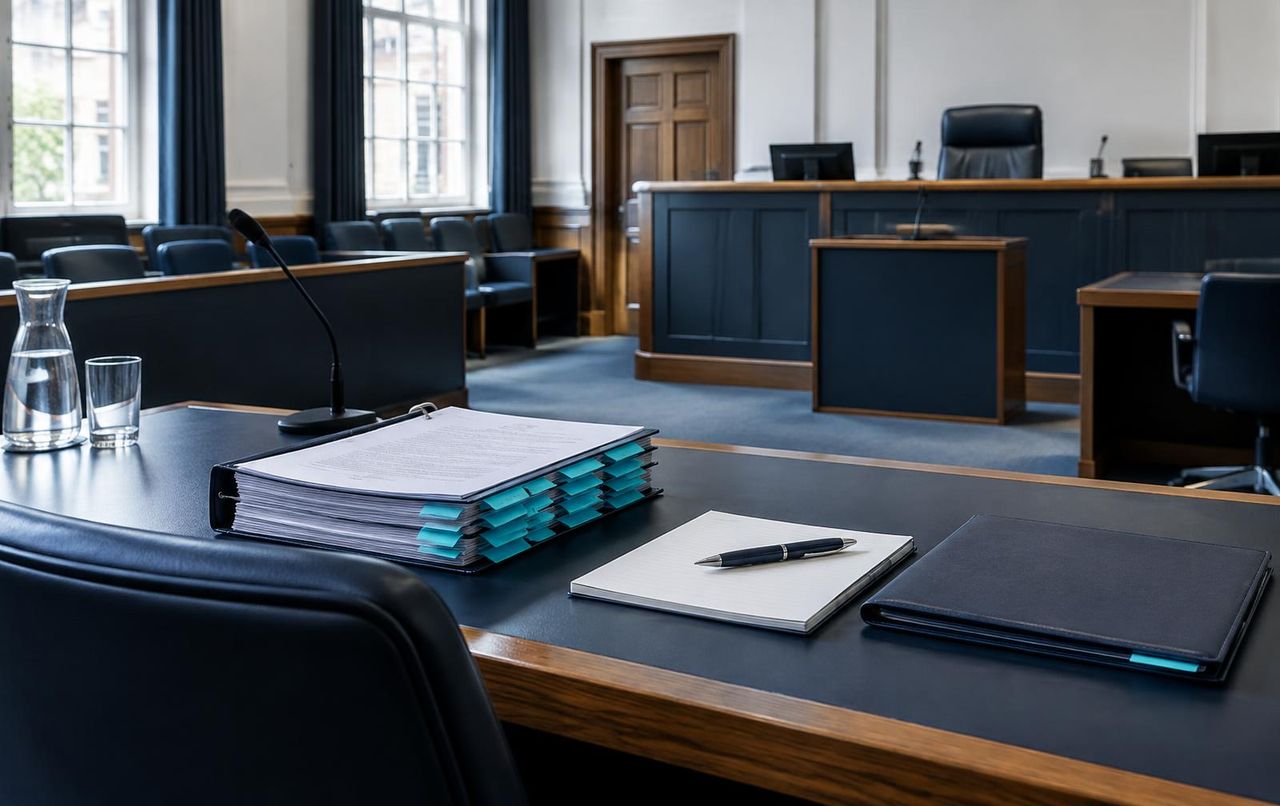
Indexed litigation papers prepared for costs advice

The short answer

CPR 46.14 addresses a dispute settled before proceedings where all issues, including who pays costs, are agreed in writing but the amount remains unresolved. It is not a way to create a costs entitlement that was never agreed. Check the rule’s scope and exclusions before issuing a Part 8 claim.

Updated · Practitioner review required before relying on this guidance.

The problem the procedure addresses

A civil dispute can settle without a substantive claim ever being issued, while the parties remain unable to agree the amount of costs. The settlement may clearly identify who pays costs but leave the figure for later negotiation. CPR 46.14 supplies a procedure for the circumstances it describes. It should not be confused with commencing detailed assessment after a court has already made a costs order in existing proceedings.

Read the settlement correspondence and any agreement together. Identify what substantive issues were resolved, the party responsible for costs and whether that agreement was made or confirmed in writing. A letter saying damages are paid does not necessarily establish the required costs agreement. If liability itself is disputed, obtain advice rather than assuming that a costs-only claim can bypass the disagreement.


Check every condition, not just settlement

CPR 46.14 requires agreement on all issues, including which party pays costs, failure to agree the amount and no proceedings having been started. Those conditions define its role. The rule also expressly excludes disputes to which the procedure in section 10 of Practice Direction 27B applies. Check claim type and procedural history before choosing the route; pre-action settlement alone is not a complete eligibility test.

If proceedings have already begun, identify how settlement and costs should be recorded in that case and what order is required. If the agreement leaves costs liability open, clarify that issue through the appropriate process. The correct route depends on the facts and applicable provisions. Our wider detailed assessment proceedings guidance explains the amount-determination process but should not replace this initial entitlement check.

The Part 8 claim and written agreement

Where CPR 46.14 applies, proceedings are commenced by issuing a claim form in accordance with Part 8. The claim form must contain or be accompanied by the agreement or written confirmation. Ensure the parties’ identities match the settlement and proposed entitlement. The claim needs the right foundation, not merely a bundle of invoices or a demand letter asserting that costs ought to be paid.

Part 8 has its own procedural requirements concerning the claim, evidence and response. Check the current rules, court requirements and service arrangements when preparing the papers. Do not treat ordinary correspondence as a substitute for compliant issue and service. Agree responsibility for these steps and the supporting evidence before the matter is handed from the litigation team to the costs team.

Assessed costs or fixed costs?

CPR 46.14 permits an order for costs to be assessed and, where appropriate, determination of fixed costs. Review Part 45, transitional provisions and any specialist regime before producing an unrestricted hourly claim. Fixed recoverable costs can apply even when the solicitor’s actual expenditure is higher. The fact that the dispute needs a court decision does not itself convert a fixed-cost claim into ordinary time-based assessment.

Where assessment is the appropriate route, entitlement and the amount remain separate. Identify the work covered by the settlement and the applicable basis. Prepare bills of costs with accurate time records, disbursement evidence and the relevant history. A global estimate or the client’s total invoice does not automatically prove the amount recoverable from the paying party.

Preparing the receiving party’s evidence

Gather the written agreement, substantive settlement correspondence, retainer, time ledger and invoices for external expenses. Explain why each period or task belongs to the settled dispute. Reconcile amounts already agreed, paid or recovered. If several parties or claims were involved, distinguish their separate liabilities and any common work instead of allocating the whole file to one agreement without explanation.

A short chronology should identify the event giving rise to the dispute, material pre-action steps, settlement and attempts to agree costs. Keep privileged and confidential material under appropriate review when preparing evidence. The costs team needs enough information to understand recovery, but indiscriminate disclosure is not the answer. Agree which documents support the claim and what procedural protection or advice is required.

The paying party’s review and settlement options

Start by checking the written agreement and whether the claim follows the procedure required by CPR 46.14. Then consider the governing costs regime, scope and amount. An objection that the bill seems high does not address a fixed-cost calculation or an uncertain entitlement. Identify the precise issue before investing in a long item-by-item critique. This helps distinguish a procedural problem from a valuation disagreement.

Legal costs negotiation can continue while procedural steps are monitored. Offers should be evaluated with their terms, timing and potential costs consequences in view. A settlement of the amount should state what it includes and when payment is due. Do not assume that ongoing negotiations excuse missed dates or that a proposed global sum resolves interest and the costs of the costs-only proceedings without express agreement.

Handing settlement papers to the costs team

A useful handover states expressly that no substantive proceedings were started and identifies the written terms on costs. Include the complete exchange forming the agreement, not just the final payment email. If the correspondence contains several offers or changed terms, explain which version was accepted. The costs team should not have to infer the governing entitlement from a ledger or a note saying the matter settled.

Record any interim costs payment and whether the parties agreed its treatment against the final sum. Check whether the current disagreement concerns a tariff, a particular expense or an ordinary assessed amount. The instruction should name the next required document and who will approve it. Clear ownership of issue, service and negotiation helps ensure that a costs-only claim follows the required route rather than becoming an unnecessary second dispute about procedural responsibility.

Why the correct procedure matters

CPR 46.14 contains consequences where its required procedure has not been followed: the non-compliant party cannot recover more costs than would have been allowed under that procedure, and the court may award the other party costs up to the point of a payment order. The provisions are a reason to establish the correct route before issue, not an assumption that any error will produce one predetermined outcome.

For an instruction, send the settlement agreement, confirmation of whether proceedings were started, the proposed calculation and all costs offers. Our qualified Costs Lawyers are individually regulated by the Costs Lawyers Standards Board and can review the recovery question alongside the documents. State whether the immediate task is entitlement advice, drafting, negotiation or assessment preparation so that responsibility and scope remain clear.

Frequently asked questions

Can I use CPR 46.14 if costs liability is still disputed?

The rule requires agreement on all issues, including which party pays costs, made or confirmed in writing. Obtain advice on the correct route if that foundation is missing.

Does this always lead to a time-based detailed assessment?

No. CPR 46.14 also allows the court, where appropriate, to determine fixed costs. The applicable costs regime and exclusions must be checked.

Rules and further reading

General information for England and Wales, not advice on a specific case. Check current rules, orders and individual authorisations. Contact our Costs Lawyers to discuss your papers and deadlines.

Discuss a matter

What is your next costs question?

A bill to challenge, a budget to prepare or a hearing ahead? Tell us about the matter and any deadline.