
Legal aid costs

Legal aid costs drafting for solicitors.

Accurate legal aid only, inter partes and combined bills, prepared by a mixed costs team with Costs Lawyer input on every instruction.

Qualified Costs Lawyers, regulated by the Costs Lawyers Standards Board (CLSB), supported by experienced Costs Draftsmen.

Quick enquiry

Tell us about your matter

We do not use enquiry details for marketing.

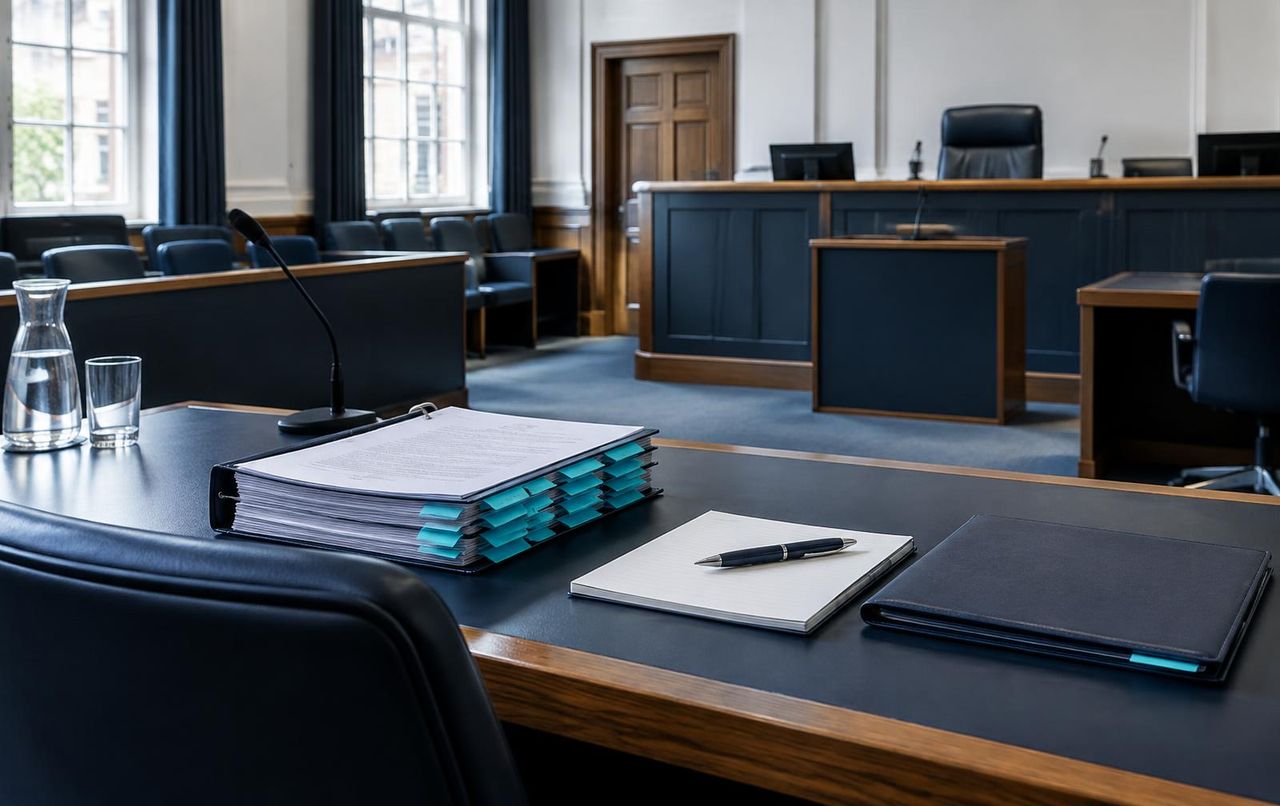
Legal aid case files and a bill of costs prepared for assessment

Legal aid costs drafting for solicitors

Legal aid work is tightly controlled. Rates are fixed, the evidence required to support a claim is detailed, and the Legal Aid Agency expects claims to follow its contract, its guidance and the Civil Legal Aid (Remuneration) Regulations 2013. A claim that is late, under-evidenced or wrongly categorised can be reduced or rejected, and on low-margin work that loss comes straight off the firm's bottom line.

Our legal costs team prepares legal aid bills and claims for firms that want the work done accurately and on time. The team is made up of qualified Costs Lawyers, costs paralegals and law costs draftsmen, and a Costs Lawyer has input into every drafting instruction, so the finished bill has been checked by someone regulated by the Costs Lawyer Standards Board.

Legal aid only, inter partes and combined bills

Many legally aided matters involve more than one claim for costs. If the client wins and obtains a costs order, the firm can usually claim inter partes costs from the paying party at market rates, and the legal aid fund is then responsible only for the remaining legal aid only work. Where there is no order, the whole claim is made at legal aid rates.

We prepare each type of bill: legal aid only bills, inter partes bills of costs for detailed assessment proceedings, and bills that separate the two so each item is claimed from the right party at the right rate. Keeping the elements apart from the outset avoids double claiming and makes it much easier to deal with points of dispute later.

Working within the Legal Aid Agency's rules

A good legal aid claim starts with the certificate. We check its scope, any limitations and amendments, and the dates on which work was covered, because work done outside scope is not payable from the fund. We then review the file for the evidence the assessor will want to see: attendance notes, correspondence, counsel's fee notes and disbursement invoices.

We also look carefully at items that are often missed or wrongly reduced, such as preparation time, travel and waiting, and enhanced rates where the work justifies them. Where a claim has already been reduced, we can review the assessment and help you decide whether a challenge is worthwhile.

CCMS billing and payments on account

We prepare and submit civil certificated claims through CCMS, the Legal Aid Agency's Client and Cost Management System, including payments on account, final bills and the reporting of court-assessed costs. Every claim is checked against the certificate history and payments already received before it goes in.

Where a claim has been rejected or reduced, we correct and resubmit it or prepare a request for review. See our CCMS billing guide and the free CCMS billing checklist on our resources page.

Complex and high-value legally aided claims

Legal aid is common in housing, public law, Court of Protection, mental health, community care, family and actions against public authorities. These matters often run for years, involve several fee earners and generate substantial disbursements. Our case studies include a complex action against the police that settled close to the full value of a near £700,000 bill.

In larger matters we prepare a clear chronology alongside the bill, which helps the assessor or the court understand why the work was necessary. Where the paying party challenges an inter partes bill, we prepare replies to points of dispute and can represent the firm at a detailed assessment hearing.

How we work with your firm

Send us the file electronically or let us collect it. We confirm the deadlines, the documents we still need and a fee before starting, and we keep fee earners informed in plain English. We work from our London office, take instructions remotely from firms across England and Wales and are happy to travel to meetings where that helps.

If your firm has a backlog of unbilled legal aid matters, we can work through them in priority order so that the oldest and most valuable claims are submitted first.

Frequently asked questions

Can you draft legal aid only bills as well as inter partes bills?

Yes. We prepare bills and claims for legal aid only work, inter partes bills where a legally aided client has a costs order in their favour, and combined bills that show both elements so the inter partes and legal aid figures can be reconciled.

Who assesses legal aid costs?

Depending on the value and type of claim, legal aid costs are assessed either by the Legal Aid Agency or by the court. Where the court assesses, the bill is prepared for detailed assessment and the legal aid rates and rules apply to the legal aid element.

What happens if there is an inter partes costs order?

Where your client is legally aided and wins a costs order, you can usually recover costs from the other side at inter partes rates, which are often higher than legal aid rates. Getting that recovery right matters to the firm's income, so we treat it as a separate exercise from the legal aid claim.

Can you help with an assessment that has been reduced by the Legal Aid Agency?

Yes. We can review the assessment, identify items that were wrongly reduced and help prepare points of challenge or a request for review, within the time limits that apply to that type of claim.

This guide is general information, not legal advice. Our Costs Lawyers are regulated by the Costs Lawyer Standards Board.

Discuss a matter

Clear advice starts with a conversation.

Contact our Costs Lawyers