

Court applications and costs

N244 form: preparing an application in a legal costs dispute

Find the official N244 form and prepare a costs application: identify the right procedure, draft order, evidence, service, fees and hearing costs.

Qualified Costs Lawyers, regulated by the Costs Lawyers Standards Board (CLSB), supported by experienced Costs Draftsmen.

Speak to our team

How can we help?

Tell us about your costs question and any deadline.

Your details are used to respond, not for marketing.

Advice from individually CLSB-regulated Costs Lawyers.

Prefer to call? 020 4538 3944
All insightsBy Thomas Higginbottom · · 7 min read
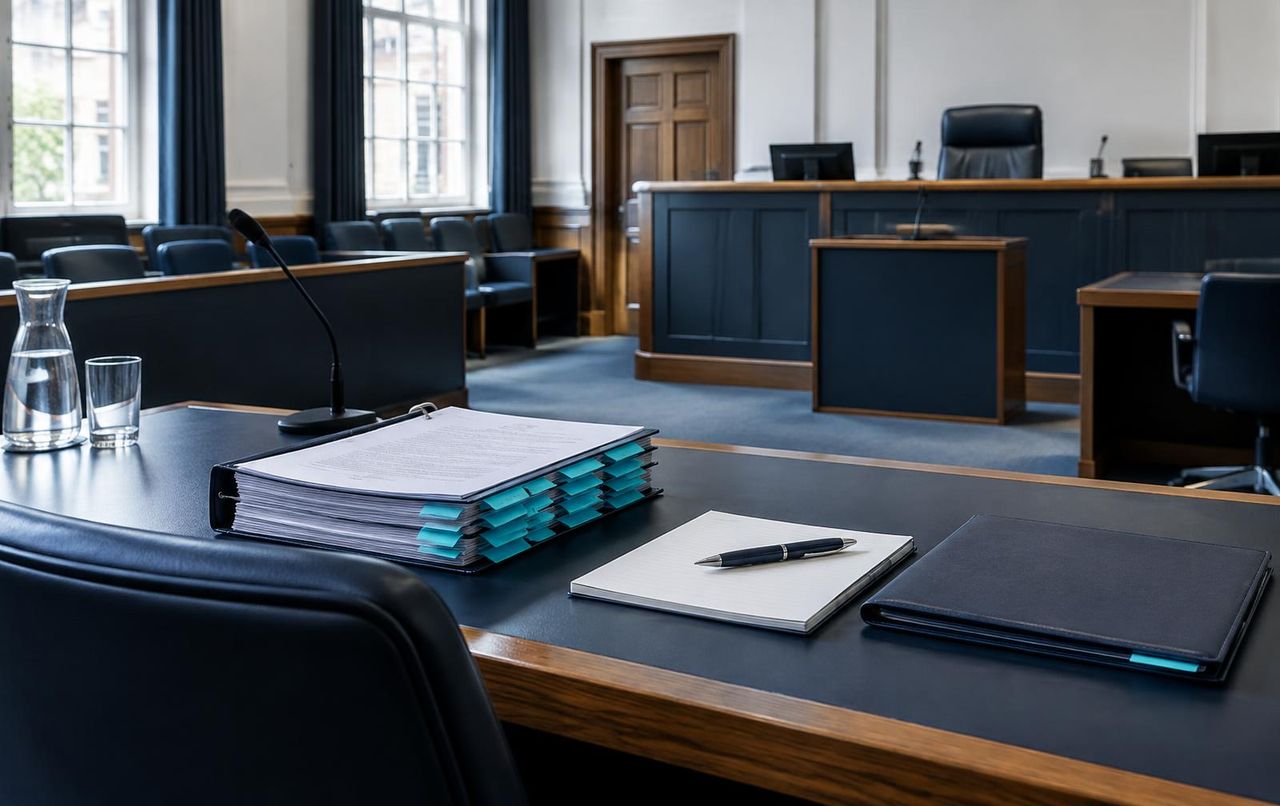
Court application papers and costs records organised for specialist advice

The short answer

N244 is an application notice, not a general appeal or automatic way to challenge a solicitor’s bill. Identify the order needed and the rule that permits it before completing the form. Filing an application does not itself suspend an existing order, enforcement or another deadline. This guide focuses on civil legal costs disputes in England and Wales.

What is Form N244 used for in a costs dispute?

Form N244 asks the court to make an order within the appropriate proceedings. In legal costs disputes, it may be used for an application to set aside a default costs certificate, obtain procedural directions or seek other relief permitted by the relevant rules. The form is a vehicle for the request: it does not supply the legal grounds. Start with the current order, the court dealing with the matter and the particular decision you need.

Use the official GOV.UK N244 publication and completion guidance linked below. Avoid copying an unrelated debt or eviction example into a costs application. A request to set aside a default judgment and one concerning a default costs certificate involve different rules, even though both can involve N244. Likewise, challenging your own solicitor’s bill generally begins through the appropriate Part 8 procedure, not by using N244 as a substitute for the originating claim.


Choose the procedure before writing the request

Read the order or certificate in full and prepare a short chronology. Record when it was made, when it was served, which documents were received and what has happened since. For a default costs certificate, CPR 47.12 distinguishes a certificate that should not have been issued from other reasons for setting it aside. Our default costs certificate guide explains that distinction. Saying only that the bill is excessive may fail to address the procedural test.

For other applications, check CPR Part 23 alongside the specific costs rule and practice direction. Identify the correct court and any existing directions, rather than assume every costs application belongs in the Senior Courts Costs Office. An appeal can have a separate permission requirement and timetable. If you are uncertain whether the issue is correction, variation, set-aside or appeal, obtain legal costs advice before paying a fee for the wrong request.

Explain the order sought and prepare a draft order

The form asks what order you seek and why. State the requested outcome precisely, then explain its legal basis and the facts supporting it. Avoid a narrative that never identifies what the judge is being asked to do. Where there are several requests, separate them: setting aside a certificate, obtaining a stay and proposing directions are different decisions. Specify the relevant document and date so that the request can be understood without guessing.

A draft order should express the proposed directions in workable terms. Consider who must take each step, how the timetable will operate and what should happen about the application’s costs. Do not present a proposed date as already approved. A fictional example might ask for a named certificate to be set aside and directions for the next stage of detailed assessment proceedings; the appropriate wording still depends on the rule, evidence and circumstances of that case.

Evidence: connect each assertion to a document

A useful evidence pack lets the judge understand both the procedural history and the requested remedy. Include relevant orders, the certificate or notice, service information, correspondence and other documents that support the factual explanation. If delay needs explaining, give a dated account rather than a general apology. Where a bill or points of dispute matter to the application, identify their role and supply the material required by the applicable procedure.

The official completion guidance explains the form’s evidence options. A separate witness statement may be clearer where the chronology is lengthy or there are exhibits. Distinguish what you personally know from information obtained elsewhere and comply with the relevant statement-of-truth requirements. Do not sign a statement you cannot verify. A legal submission about the meaning of a rule is not a replacement for evidence showing what actually happened on the file.

Notice, service and urgent requests

CPR 23.7 governs service of the application notice, supporting evidence and any attached draft order, subject to other rules, practice directions and court orders. Check both when service is required and who will carry it out. Filing with the court and serving the opponent are not interchangeable. Keep proof of the steps taken, and use the applicable rules for calculating time rather than treating all calendar days alike.

A request for an application without notice needs a proper basis; it is not simply a faster option available whenever service feels inconvenient. Explain genuine urgency and follow the court’s requirements. If payment or enforcement is approaching, ask whether a stay or other protective order is necessary. Do not assume the N244, a complaint to the solicitor or negotiations automatically stop enforcement. Existing directions continue to matter until the court orders otherwise.

Court fees and the costs of making the application

There is no single fee that answers every N244 question. The fee depends on the application category, court and applicable exceptions. Check the current official court-fee list before filing; the Senior Courts Costs Office publishes separate guidance relevant to its work. Our civil court fees guide explains EX50 and Help with Fees. Eligibility for fee assistance should be checked through the official scheme, not assumed from the size of the disputed bill.

Budget for advice, drafting, evidence preparation and hearing attendance as well as the court fee. An unsuccessful or unnecessary application may lead to an adverse costs order. Even a successful request does not guarantee recovery of every professional charge. Discuss proportionality: compare the likely benefit of the order with the expense and risk of obtaining it, and consider whether an agreed direction or negotiated resolution could address the problem more economically.

Preparing for a decision and instructing a Costs Lawyer

The court may deal with an application at a hearing or, where the rules permit, without one. Requesting a paper decision does not guarantee it. Follow listing directions and prepare a clear explanation of the order sought, evidence and disputed points. Where summary assessment of the application’s costs may arise, consider the appropriate Form N260 statement of costs and applicable filing and service requirements in advance.

For assistance, send the application or proposed request, all relevant orders, the bill or certificate, evidence of service, a chronology and the next deadline. Explain whether you are applying or responding and what outcome matters most. Thomas Higginbottom and Robert Collington are Costs Lawyers regulated by the Costs Lawyers Standards Board; their profiles describe their experience. Agree the scope of drafting, advice and any representation separately rather than assume an initial document review includes every later hearing.

Frequently asked questions

Where can I download the official N244 form?

Use the GOV.UK Form N244 application notice publication linked in the sources below. Read its accompanying completion guidance and check the requirements of the court handling your proceedings.

Can I use N244 to start a challenge to my solicitor’s bill?

Do not assume so. An originating solicitor-client assessment request generally follows the appropriate Part 8 procedure. N244 may be relevant to an application within proceedings, but the correct route must be identified first.

Does filing N244 stop enforcement?

Not by itself. Consider whether an express stay or other protective order is required and continue complying with existing orders unless the court changes them.

Will the other side pay my application costs?

That depends on the court’s order and applicable costs rules. There can be adverse costs exposure if the application fails, and success does not guarantee repayment of every charge.

Rules and further reading

General information for England and Wales, not advice on a specific case. Check current rules, orders and individual authorisations. Contact our Costs Lawyers to discuss your papers and deadlines.

Discuss a matter

What is your next costs question?

A bill to challenge, a budget to prepare or a hearing ahead? Tell us about the matter and any deadline.