
Costs basics

Small claims costs: what you can and cannot recover

A plain-English guide to costs on the small claims track: the CPR 27.14 limits, court fees, expert and witness expenses, and when unreasonable behaviour changes the rules.

Qualified Costs Lawyers, regulated by the Costs Lawyers Standards Board (CLSB), supported by experienced Costs Draftsmen.

Quick enquiry

Tell us about your matter

We do not use enquiry details for marketing.

All insightsBy Thomas Higginbottom · · 4 min read
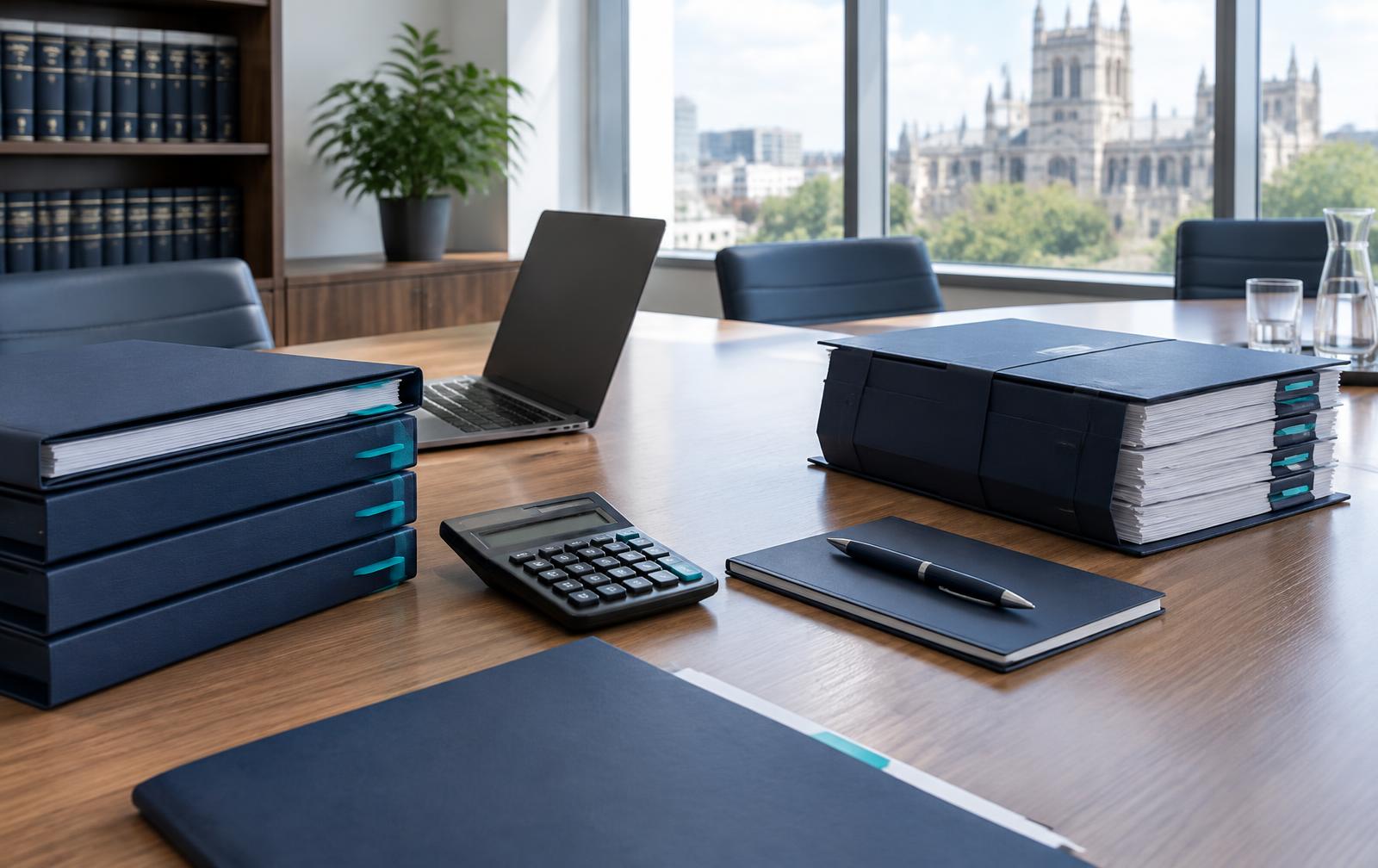
Calculator and court forms used to work out small claims costs

The short answer

On the small claims track, the winner usually recovers only limited fixed items: court fees, modest fixed issue costs, limited expert fees and some travel and loss of earnings. Legal fees are generally not recoverable. The main exception is where the other side behaved unreasonably.

Why small claims costs are restricted

The small claims track is designed so that people can bring or defend modest claims without a lawyer, and without the risk of paying the other side’s legal bill if they lose. That is why CPR 27.14 sets out a short, closed list of the costs that can be ordered. Most money claims of up to £10,000 are allocated to this track. Personal injury claims are allocated to it where the injury damages are up to £1,000, or up to £5,000 for many road traffic whiplash claims.

The rule works both ways. A claimant who wins cannot usually recover the solicitor’s fees they paid, but a claimant who loses is protected from paying the defendant’s legal fees.
What can be recovered under CPR 27.14

The court can order the losing party to pay the fixed costs of issuing the claim, which are set by Part 45 and depend on the amount claimed, together with the court fees actually paid, such as the issue fee and hearing fee. Where legal advice was obtained on a claim for an injunction or specific performance, a limited sum for that advice may also be allowed.

The court can also allow reasonable travel and accommodation expenses for a party or witness attending a hearing, a sum for loss of earnings or leave for attending a hearing, and experts’ fees. Loss of earnings and experts’ fees are capped by Practice Direction 27, so check the current limits before you set out what you are claiming.

Fees for a lay representative are not recoverable, and the time a litigant spends preparing their own case is not compensated in the way it can be on other tracks.

The unreasonable behaviour exception

CPR 27.14(2)(g) allows the court to order further costs against a party who has behaved unreasonably. This is the route by which legal fees can sometimes be recovered on the small claims track, but the bar is high. The court looks at conduct during the proceedings, such as ignoring orders, failing to attend, or running a case that was obviously hopeless or dishonest.

Simply losing, or turning down a settlement offer, is not normally enough. The court will consider whether the conduct permits a reasonable explanation. Part 36 consequences do not apply on the small claims track, so offers protect parties less there than elsewhere.

Claims that start as small claims but are reallocated

Where a claim is reallocated from the small claims track to a higher track, the small claims costs rules apply only up to the date of reallocation. After that, the costs rules for the new track apply. A claim that was always worth more than the small claims limit should not be limited to small claims costs simply because it settled early.

Arguments sometimes arise where a claim was pleaded high to avoid the small claims track but resolves for a small sum. The court can take that into account when deciding what costs order is fair, and in Dammermann v Lanyon Bowdler LLP [2017] EWCA Civ 269 the Court of Appeal considered how the small claims limit can bear on a solicitor and client assessment.

Small claims and fixed recoverable costs

Since October 2023, many claims above the small claims limit and up to £100,000 fall within fixed recoverable costs on the fast and intermediate tracks. That means the recoverable costs gap between the small claims track and the next track up is now more predictable. Our fixed recoverable costs guide and calculator explain those figures.

Small claims hearings also now usually involve an automatic referral to free mediation for many specified money claims, which can resolve the matter without a hearing fee.

Frequently asked questions

Can I recover solicitor’s fees in a small claim?

Usually not. Only the limited items in CPR 27.14 can be recovered, unless the other side behaved unreasonably.

Can I recover my court fees?

Yes. Court fees actually paid, such as the issue and hearing fees, are normally recoverable from the losing party.

What counts as unreasonable behaviour?

Conduct during the proceedings with no reasonable explanation, such as ignoring court orders or running a dishonest case. Losing alone is not enough.

Do Part 36 offers apply to small claims?

No. Part 36 does not apply to claims allocated to the small claims track.

What if my claim is moved to the fast track?

Small claims costs rules apply until reallocation; the new track’s costs rules apply afterwards.

Rules and further reading

General information for England and Wales, not advice on a specific case. Check current rules, orders and individual authorisations. Contact our Costs Lawyers to discuss your papers and deadlines.

Discuss a matter

Clear advice starts with a conversation.

Contact our Costs Lawyers