

Bills of costs explained

What is a bill of costs?

What a bill of costs contains, how it differs from a solicitor’s invoice, and how drafting, objections and detailed assessment determine recovery.

Qualified Costs Lawyers, regulated by the Costs Lawyers Standards Board (CLSB), supported by experienced Costs Draftsmen.

Quick enquiry

Tell us about your matter

We do not use enquiry details for marketing.

All insightsBy Robert Collington · · 5 min read
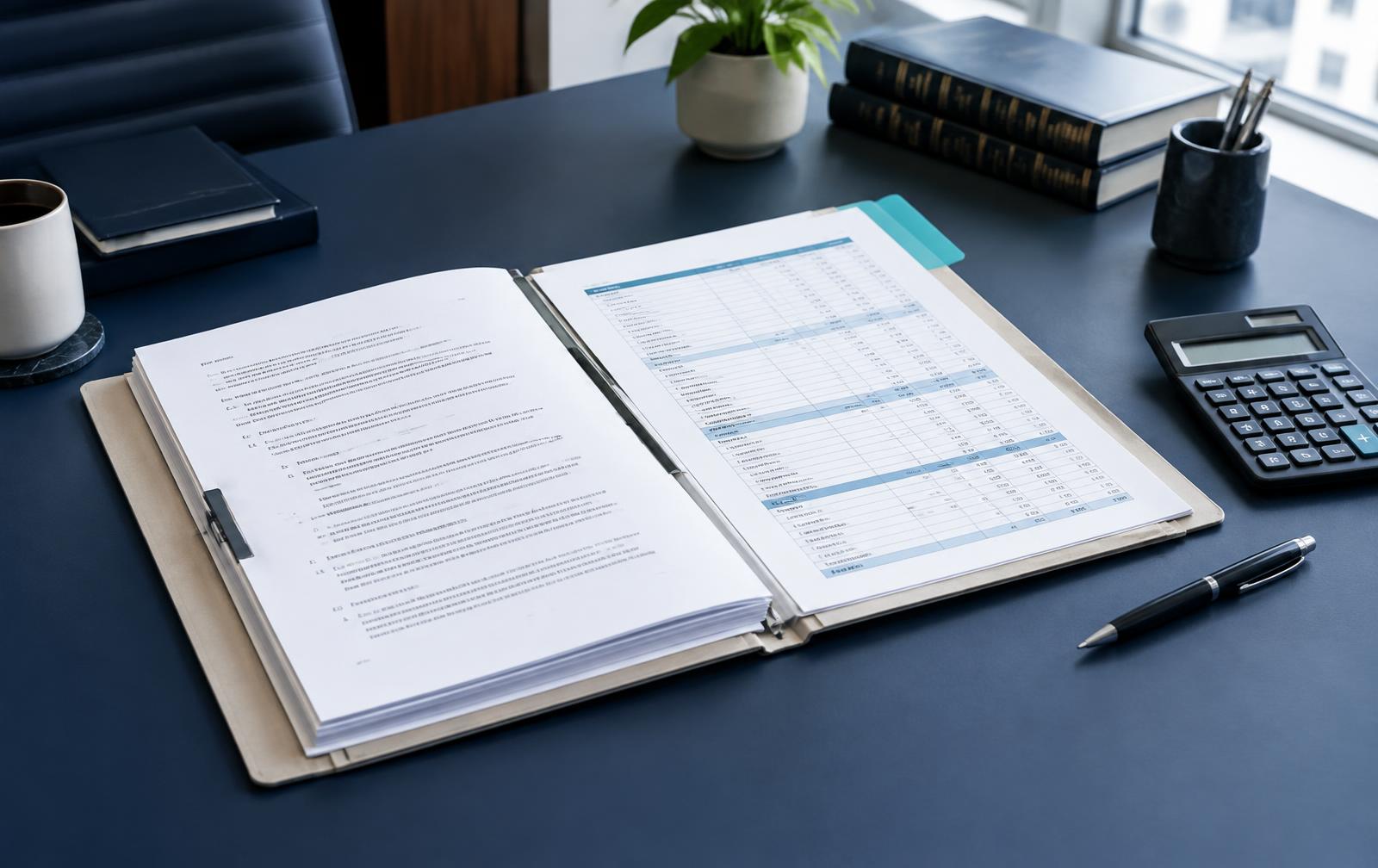
Itemised legal costs papers and supporting records prepared for a bill of costs

The short answer

A bill of costs is a detailed, structured claim for legal costs, commonly used when the amount recoverable must be agreed or determined through detailed assessment. It explains the work, charges and expenses claimed. It is not simply a solicitor’s invoice, and its total is not automatically the amount an opponent must pay.

What is the purpose of a bill of costs?

In civil litigation in England and Wales, an entitlement to costs and the amount recoverable are separate questions. A judgment, settlement or other relevant entitlement may establish who pays, while leaving the amount unresolved. The bill presents that claim in a form which the paying party can examine and, if necessary, the court can assess.

The receiving party claims costs; the paying party responds. A properly prepared bill connects the claim to the procedural history, applicable orders and underlying records. It should make the calculation understandable rather than merely reproduce every time entry. Detailed assessment proceedings provide the framework for resolving disagreements where the parties cannot agree a figure.
A bill, an invoice and a budget are different documents

A solicitor’s invoice requests payment from the client under the retainer. An inter-partes bill of costs usually seeks recovery from an opponent. Those amounts can differ because contractual liability does not guarantee recoverability. Solicitor–client assessment is another context in which costs may be examined, with its own statutory and procedural requirements.

A costs budget looks forward to the litigation work expected by phase, while also recording incurred costs. A bill principally looks back at the work actually done. A statement of costs, often on form N260, is usually used for summary assessment at a hearing. Choosing the correct document starts with the costs order and applicable procedure.

What information does the bill contain?

The bill generally includes a narrative explaining the case, the parties and relevant costs orders. It identifies fee earners, their grades and rates, and itemises the work claimed. Time costs, counsel’s fees, expert charges, court fees and other disbursements require appropriate treatment. VAT is included only where properly claimable; it should not be added indiscriminately.

Separating periods, issues or assessment bases may be necessary where different orders apply. Interim payments and costs already assessed must be reconciled to prevent double recovery. Supporting material can include attendance notes, the time ledger, invoices, funding documents and orders. Clear records allow the drafter to explain unusual expenditure and identify gaps before service.

When is an electronic bill required?

Practice Direction 47 specifies when an electronic bill is required, including defined categories of Part 7 multi-track work undertaken from 6 April 2018, subject to exceptions. The requirement is not universal. The claim type, dates, representation and any court direction must be checked rather than assuming that every assessment uses the same format.

Electronic bills organise work through phases, tasks and activities, allowing totals to be analysed and adjusted. A spreadsheet does not cure incorrect classification: costs need to be allocated consistently, especially where costs management applies. Other permitted bill formats remain relevant outside the electronic requirement. The document should comply with the current practice direction and required certification.

How does the court decide what is recoverable?

On the standard basis, costs must be reasonably incurred, reasonable in amount and proportionate to the matters in issue. Doubts are resolved in favour of the paying party. On the indemnity basis, reasonableness still applies, but the standard-basis proportionality test does not; doubts are resolved in favour of the receiving party. Neither basis promises full reimbursement.

The retainer, scope of the costs order and applicable budget also matter. Fixed recoverable costs may prescribe the recoverable amount rather than allow ordinary item-by-item recovery. Before drafting a substantial bill, establish the correct regime. A large time ledger is not, by itself, evidence that every recorded charge can be recovered from the opponent.

What happens after the bill is prepared?

Detailed assessment is commenced by serving the required notice and bill, with the relevant accompanying documents. CPR Part 47 generally requires commencement within three months of the relevant event, subject to the rule’s particular provisions and court directions. The paying party normally has 21 days after service to serve points of dispute. Check actual dates immediately.

Points of dispute identify objections to the claim; replies can address them where appropriate. Negotiation may resolve all or part of the dispute without a contested hearing. Remaining issues may proceed through provisional assessment where eligible, or a detailed assessment hearing. Offers, assessment costs and payments on account should be considered alongside the disputed bill.

Frequently asked questions

Does receiving a bill mean I must pay the full amount?

No. An inter-partes bill states the amount claimed, not necessarily the amount agreed or assessed. However, procedural deadlines still apply. Obtain advice promptly on entitlement, objections and the appropriate response rather than ignoring the papers.

Can costs be agreed without a hearing?

Yes. Parties can negotiate a settlement of the costs claim. Keep the scope of any agreement clear, including interest, assessment costs and sums already paid. A hearing is not inevitable merely because a bill has been served.

What should I send to a costs drafter?

Provide the orders or settlement terms, retainer and funding documents, time records, disbursement invoices and any approved budgets. Explain missing material and urgent deadlines. Our Costs Lawyers can identify what further information the instruction requires.

Is a bill of costs the same as Precedent H?

No. Precedent H is a costs budget used for costs management; a bill claims costs for work undertaken. For the forward-looking distinction, read our guide answering what is a costs budget and our practical Precedent H preparation guide.

Rules and further reading

General information for England and Wales, not advice on a specific case. Check current rules, orders and individual authorisations. Contact our Costs Lawyers to discuss your papers and deadlines.

Discuss a matter

Clear advice starts with a conversation.

Contact our Costs Lawyers