

Choosing your adviser

Find a Costs Lawyer.

Check professional status, find relevant experience and understand the proposed fees. Our individual Costs Lawyers are regulated by the CLSB.

Qualified Costs Lawyers, regulated by the Costs Lawyers Standards Board (CLSB), supported by experienced Costs Draftsmen.

Speak to our team

How can we help?

Tell us about your costs question and any deadline.

Your details are used to respond, not for marketing.

Advice from individually CLSB-regulated Costs Lawyers.

Prefer to call? 020 4538 3944
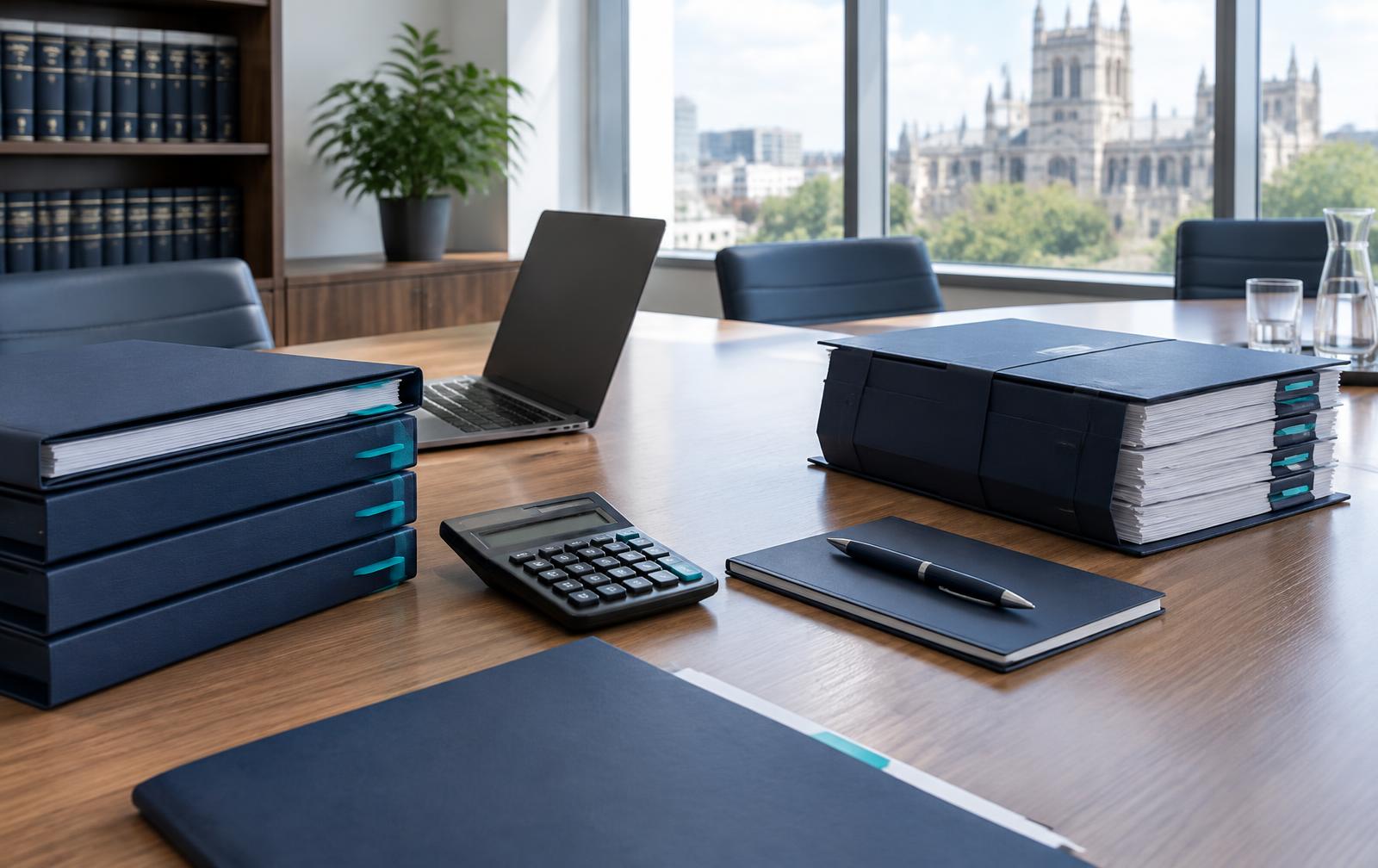
Legal costs papers and a calculator prepared for a specialist costs review

Find a Costs Lawyer for the help you need

To find a costs lawyer, start with the problem you need to resolve. Are you questioning your solicitor’s invoice, responding to an opponent’s bill, or preparing a costs claim after litigation? These instructions require different experience. A specialist in costs law should explain the available options, the evidence needed and the financial risks, rather than promise a particular saving. Solicitors may also need drafting support, costs budgeting or representation at a costs hearing. Match the professional’s experience to the work, not simply their location.

Check the official register

The Costs Lawyers Standards Board (CLSB) regulates Costs Lawyers in England and Wales. Its public register identifies individuals holding a current practising certificate. Search by name, organisation or location, and use practice-area filters to narrow your choice. If you are instructing personally, check whether the individual accepts instructions from private individuals or consumers. Open the individual record to review practising information and any published disciplinary or Legal Ombudsman decisions. A website biography is useful background, but the official register is the starting point for checking current status.

Regulation and professional conduct

A practising Costs Lawyer is regulated by the Costs Lawyer Standards Board, commonly referred to as the Costs Lawyers Standards Board or CLSB. Its requirements address professional conduct, including duties concerning integrity, independence and clients’ interests. Regulation applies to the individual Costs Lawyer: it does not mean every employee or the company is CLSB-regulated. Ask who will be responsible for your matter, how confidential information is handled and where to find the complaints procedure. A law costs draftsman or costs consultant is not automatically a regulated Costs Lawyer.

Match experience to your legal costs issue

For litigation preparation, ask about costs budgets, Precedent H and the assumptions supporting future expenditure. For recovery, discuss bills of costs, supporting records and negotiation. If you face a disputed claim, ask about points of dispute and detailed assessment proceedings. Challenging your own solicitor’s bill involves different considerations from disputing an opponent’s costs. Explain which situation applies and identify every deadline. Where representation is required, confirm that the professional’s current authorisation covers the proposed work and hearing. Expertise in legal costs does not confer unrestricted authority in every legal proceeding.

Agree the work and fees before instructing

Describe the issue briefly before sending confidential papers, so suitability and conflicts can be checked. Ask which documents are needed: these might include the retainer, invoices, costs order, budget and relevant correspondence. Obtain a clear scope of work, charging basis and explanation of VAT, disbursements and any further stages. Establish who handles deadlines and whether negotiation or advocacy is included. Consider the likely benefit alongside the expense and risks of proceeding. Do not assume that advice fees are recoverable, or that making a complaint pauses a court deadline.

If you need adjustments to communication, explain these at the outset. Ask for advice in plain language, a written summary of the options and a realistic estimate of the next stage. Someone reviewing an unexpected bill should understand both the possible benefit and the risk of additional costs. Availability also matters: confirm that the adviser can meet your timetable and tell you promptly if further information is needed before accepting the instruction.

Speak to our Costs Lawyers

Our Costs Lawyers are Thomas Higginbottom, CLSB registration CL1794, and Robert Collington, CL1601. Both completed the Association of Costs Lawyers course. Thomas qualified in 2024; Robert qualified in 2020 and has worked in legal costs since 2010. We support solicitors and clients across England and Wales, with Costs Lawyer input into every drafting instruction. Read our team profiles and legal costs advice guide, then tell us what you need, your position in the matter and any approaching deadline. We will discuss suitability, the papers required and proposed fees before work begins.

Frequently asked questions

Where can I check a Costs Lawyer’s practising status?

Use the CLSB’s official Register of Costs Lawyers. Check the individual record, relevant practice areas and whether they accept instructions from private individuals when that applies to you.

Can I instruct a Costs Lawyer without a solicitor?

Some Costs Lawyers accept direct instructions from individuals. Check the register and ask whether your issue falls within their practice and current authorisation before sending confidential papers.

This guide is general information, not legal advice. Our Costs Lawyers are regulated by the Costs Lawyer Standards Board.

Discuss a matter

What is your next costs question?

A bill to challenge, a budget to prepare or a hearing ahead? Tell us about the matter and any deadline.