

Points of dispute

Precedent G: points of dispute and replies.

The 21-day deadline, preliminary points, item and proportionality objections, and focused replies, set out in the Precedent G format the court expects.

Qualified Costs Lawyers, regulated by the Costs Lawyers Standards Board (CLSB), supported by experienced Costs Draftsmen.

Speak to our team

How can we help?

Tell us about your costs question and any deadline.

Your details are used to respond, not for marketing.

Advice from individually CLSB-regulated Costs Lawyers.

Prefer to call? 020 4538 3944
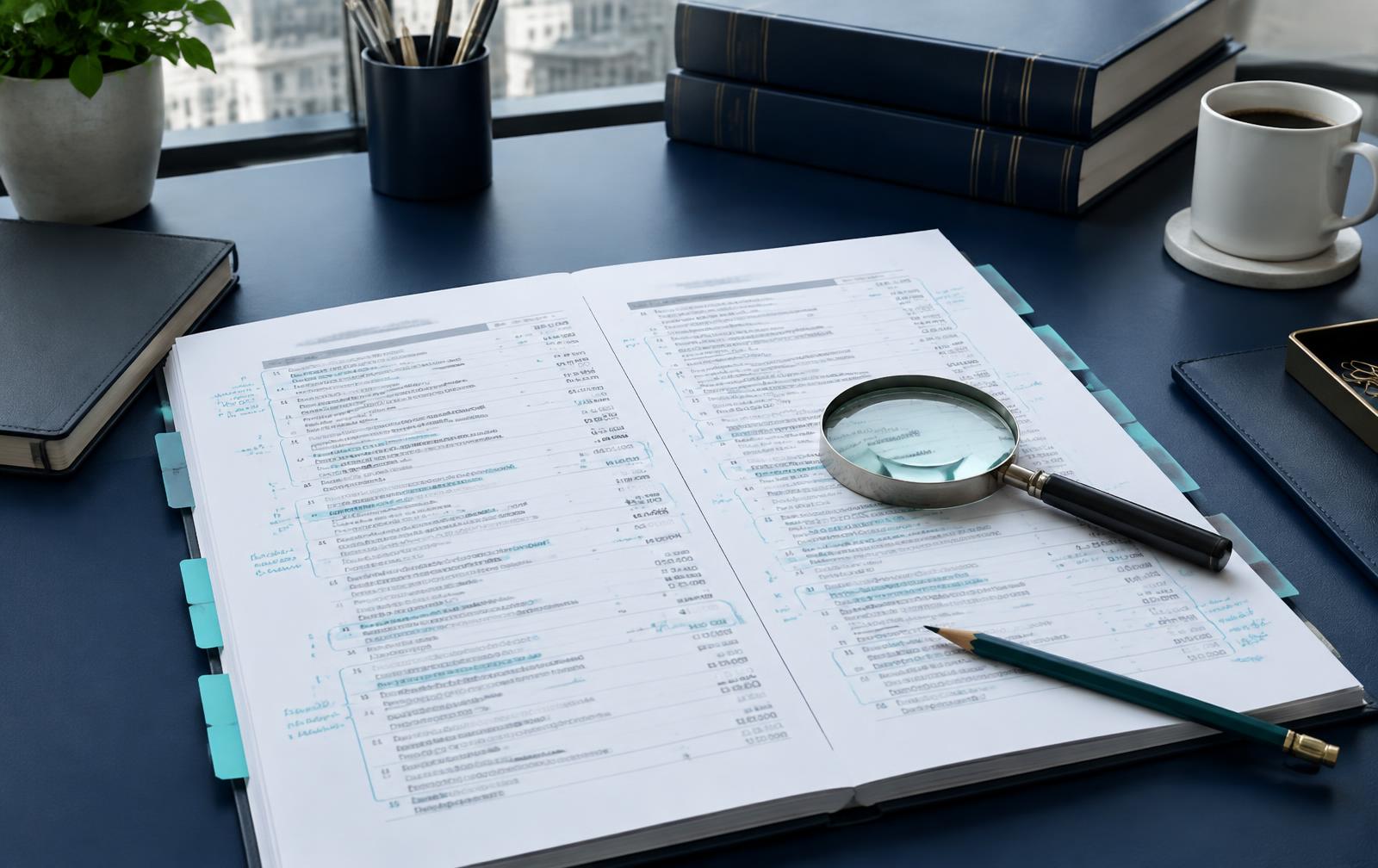
Annotated bill of costs being reviewed for points of dispute

What is Precedent G?

Precedent G is the model form for points of dispute in detailed assessment proceedings. It sits in the schedule of costs precedents annexed to Practice Direction 47. The paying party uses it to set out each objection to the bill, and the receiving party uses the same layout to reply. Following the model keeps objections short, numbered and linked to the items they challenge, which is what the court expects.

Points of dispute shape everything that follows. They define the issues for negotiation, provisional assessment and any hearing. Objections that are not raised may be difficult to argue later, and vague objections give the court little reason to reduce the bill. Good points of dispute are concise, specific and backed by a reason.

The 21-day deadline under CPR 47.9

Under CPR 47.9, the paying party must serve points of dispute within 21 days after service of the notice of commencement. If they are not served in time, the receiving party can ask for a default costs certificate for the full amount of the bill. Points served late but before a certificate is issued can still be considered, but relying on that is risky. Setting a certificate aside requires an application and good reason.

Check the deemed date of service as soon as the bill arrives, and diary the deadline. If more time is genuinely needed, ask the receiving party to agree an extension in writing or apply to the court before time runs out. An extension agreed after the deadline has passed offers much less protection.

Preliminary points

Preliminary points go to the whole bill or large parts of it. Typical examples are challenges to the retainer or the indemnity principle, the wrong bill format, costs outside the scope of the order, interim orders that have not been reflected, and budget issues where a costs management order applies. They come first in Precedent G because, if successful, they can change the basis of the entire assessment.

A preliminary point should be raised only where there is a real basis for it. Requesting disclosure of the retainer or funding documents can be appropriate, but a standard list of challenges unrelated to the file weakens credibility and can lead to adverse costs consequences.

Rates, items and proportionality

After preliminary points, objections usually deal with hourly rates and grades, then with specific items or phases. Each point should identify the item, state the objection briefly and, where appropriate, offer a figure. Electronic bills make this more precise: a paying party can filter time by fee earner, phase or task to show duplication, senior grades doing routine work or phases that grew without explanation.

Proportionality is a separate and important challenge on the standard basis. Under CPR 44.3, costs that are disproportionate may be reduced even if they were reasonably incurred. The argument should refer to the sums in issue, complexity, conduct and the other factors in the rule, rather than simply asserting that the total is too high.

Replies under CPR 47.13

The receiving party may serve a reply within 21 days after service of the points of dispute. A reply is optional. Practice Direction 47 limits replies to points of principle and concessions, and discourages general denials or standard-form responses. Where practicable, the reply should be set out in the Precedent G format alongside the points it answers.

A focused reply narrows the dispute. It concedes points that cannot be defended, explains the evidence for those that can and identifies preliminary points that need a decision. That makes settlement more likely and puts the receiving party in a better position if the matter goes to provisional assessment or a hearing.

How we prepare points of dispute and replies

We act for paying parties served with bills and for receiving parties facing objections. A qualified Costs Lawyer reviews every instruction. We start with the order, the bill, the budget and any offers, identify the points worth taking and draft in the Precedent G format. Where the deadline is close, tell us the date of service straight away so that we can confirm whether we can meet it.

Alongside the document, we advise on offers, including Part 36 and Calderbank offers in assessment proceedings, and on whether provisional assessment or a hearing is likely. If the matter goes further, our Costs Lawyers can represent you at detailed assessment hearings.

Frequently asked questions

How long do I have to serve points of dispute?

21 days after service of the notice of commencement under CPR 47.9, unless the parties agree or the court orders otherwise. Missing the deadline risks a default costs certificate for the full bill.

Do points of dispute have to use Precedent G?

Practice Direction 47 expects points of dispute to follow Precedent G as closely as possible. Using the model makes the objections easier for the receiving party and the court to follow.

Is a reply to points of dispute compulsory?

No. A reply under CPR 47.13 is optional, but it is often useful to concede weak items and explain the evidence for disputed ones. Replies should be limited to points of principle and concessions.

What happens if we miss the 21-day deadline?

The receiving party may request a default costs certificate. Points served before a certificate is issued may still be considered. Once a certificate is issued, an application to set it aside is needed.

Can you prepare points of dispute against an electronic bill?

Yes. Electronic bills can be filtered by phase, task and fee earner, which allows precise objections to duplicated, excessive or over-budget work.

Should points of dispute include an offer?

Points of dispute can state a figure for each item. A separate offer, including a Part 36 offer in assessment proceedings, can also protect your position on the costs of the assessment.

This guide is general information, not legal advice. Our Costs Lawyers are regulated by the Costs Lawyer Standards Board.

Discuss a matter

What is your next costs question?

A bill to challenge, a budget to prepare or a hearing ahead? Tell us about the matter and any deadline.