
Costs case law

Mazur in the Court of Appeal: conduct of litigation and costs recovery

What the Court of Appeal decided in Mazur v Charles Russell Speechlys [2026] EWCA Civ 369, and why supervision arrangements matter when costs are claimed or challenged.

Qualified Costs Lawyers, regulated by the Costs Lawyers Standards Board (CLSB), supported by experienced Costs Draftsmen.

Quick enquiry

Tell us about your matter

We do not use enquiry details for marketing.

All insightsBy Robert Collington · · 4 min read
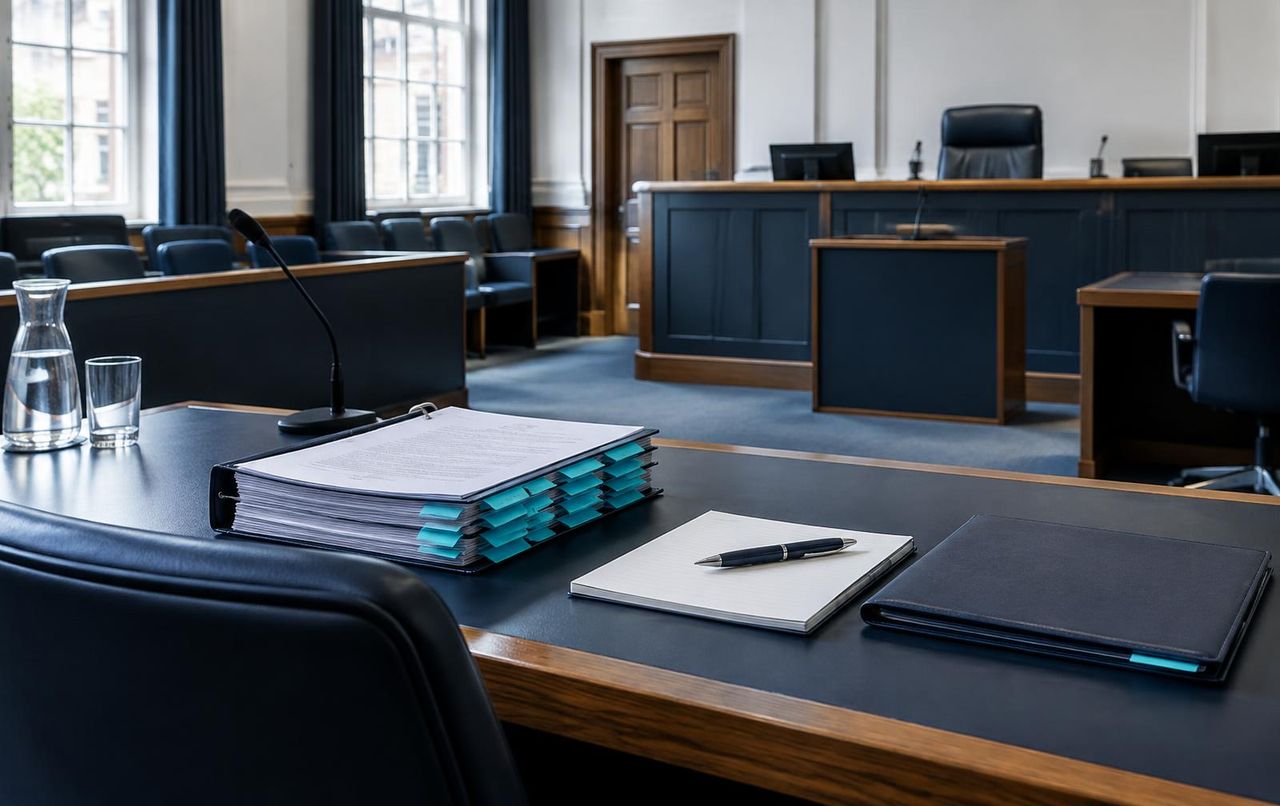
Court of Appeal judgment papers beside a litigation file and bill of costs

The short answer

In March 2026 the Court of Appeal confirmed that only authorised persons may carry on the conduct of litigation, but held that an authorised person can delegate tasks to unauthorised staff provided the authorised person keeps responsibility for them. That is less restrictive than the High Court decision of September 2025, though it still leaves room for costs arguments where supervision was weak.

How the case reached the Court of Appeal

Mazur began as a fee dispute. The clients complained that their litigation had been run by an employee of a firm who did not hold a practising certificate or other authorisation to conduct litigation. In September 2025 Sheldon J, in the King’s Bench Division ([2025] EWHC 2341 (KB)), held that an unauthorised person was not entitled to conduct litigation simply because they were employed by, and supervised within, an authorised firm. The decision caused immediate concern across firms that rely on paralegals, trainees and other team members to progress claims.

CILEX appealed, with the Solicitors Regulation Authority, the Law Society, the Legal Services Board, the Law Centres Network and the Association of Personal Injury Lawyers all involved. The appeal was heard in February 2026 before the Master of the Rolls, the Chancellor of the High Court and Andrews LJ, with judgment handed down on 31 March 2026.


What the Court of Appeal decided

The court did not change the core rule: the conduct of litigation is a reserved legal activity under the Legal Services Act 2007, and only authorised or exempt persons may carry it on. What changed was the framework for delegation. As the Law Society summarised it, an authorised person can delegate tasks within the litigation to an unauthorised person, provided the authorised person maintains responsibility for those tasks, meaning formal responsibility for the task and responsibility for adhering to the professional principles.

In practice, the question is less about job titles and more about whether a properly authorised individual genuinely held the conduct of the matter. Regulators have said further guidance will follow, so firms should keep their supervision policies under review rather than treating the judgment as the last word.

Why this matters for costs

Paying parties have used the Mazur litigation to question whether work by unauthorised staff is recoverable at all. After the Court of Appeal decision, a blanket objection to all paralegal time is harder to sustain. However, a targeted challenge may still succeed where the papers suggest that nobody authorised was truly responsible for the steps taken, or where significant decisions appear to have been made without oversight.

For receiving parties preparing a bill of costs, the practical answer is evidence. Keep a clear record of who held conduct, the supervision structure, and who approved key steps such as issuing proceedings, signing statements of truth and accepting offers. Points of dispute that raise the issue in general terms can then be answered with specific information in the replies, rather than broad assertion.

In solicitor and own client disputes, clients may also raise the point when they challenge a solicitor’s bill. The underlying question remains whether the charges are reasonable and properly payable under the retainer, but a firm that cannot show proper supervision may find the argument harder to resolve.

Practical steps for firms

Review case management records to confirm that each matter names an authorised person with conduct. Make delegation and sign-off visible on the file. Check that time entries and the narrative in any bill describe the work accurately and identify who supervised it. When instructing a Costs Lawyer, provide this information early so it can be reflected in the bill and in any replies to points of dispute.

Before you rely on this

This article summarises reported judgments for general information in England and Wales. Read the full judgment and any later guidance or appeals before relying on it in a particular matter.

Frequently asked questions

Did the Court of Appeal overturn Mazur entirely?

No. It confirmed that only authorised persons may conduct litigation, but adopted a less restrictive approach to delegation than the High Court, provided the authorised person retains responsibility for delegated tasks.

Can paying parties still challenge paralegal time after Mazur?

They can still raise targeted objections where the evidence suggests work was not properly delegated or supervised. A general objection to all unauthorised staff time is less likely to succeed after the Court of Appeal decision.

Is further guidance expected?

Yes. The Law Society has updated its practice note and indicated it is working with the SRA on further guidance. Check the current position before relying on any summary.

Rules and further reading

General information for England and Wales, not advice on a specific case. Check current rules, orders and individual authorisations. Contact our Costs Lawyers to discuss your papers and deadlines.

Discuss a matter

Clear advice starts with a conversation.

Contact our Costs Lawyers