

Civil Procedure Rules

CPR 3.9 relief from sanctions: the Denton test and how to make a successful application

How CPR 3.9 relief from sanctions works, the three-stage Denton test, promptness, evidence, CPR 3.8 extensions and the costs consequences of late compliance.

Qualified Costs Lawyers, regulated by the Costs Lawyers Standards Board (CLSB), supported by experienced Costs Draftsmen.

Quick enquiry

Tell us about your matter

We do not use enquiry details for marketing.

All insightsBy Robert Collington · · 5 min read
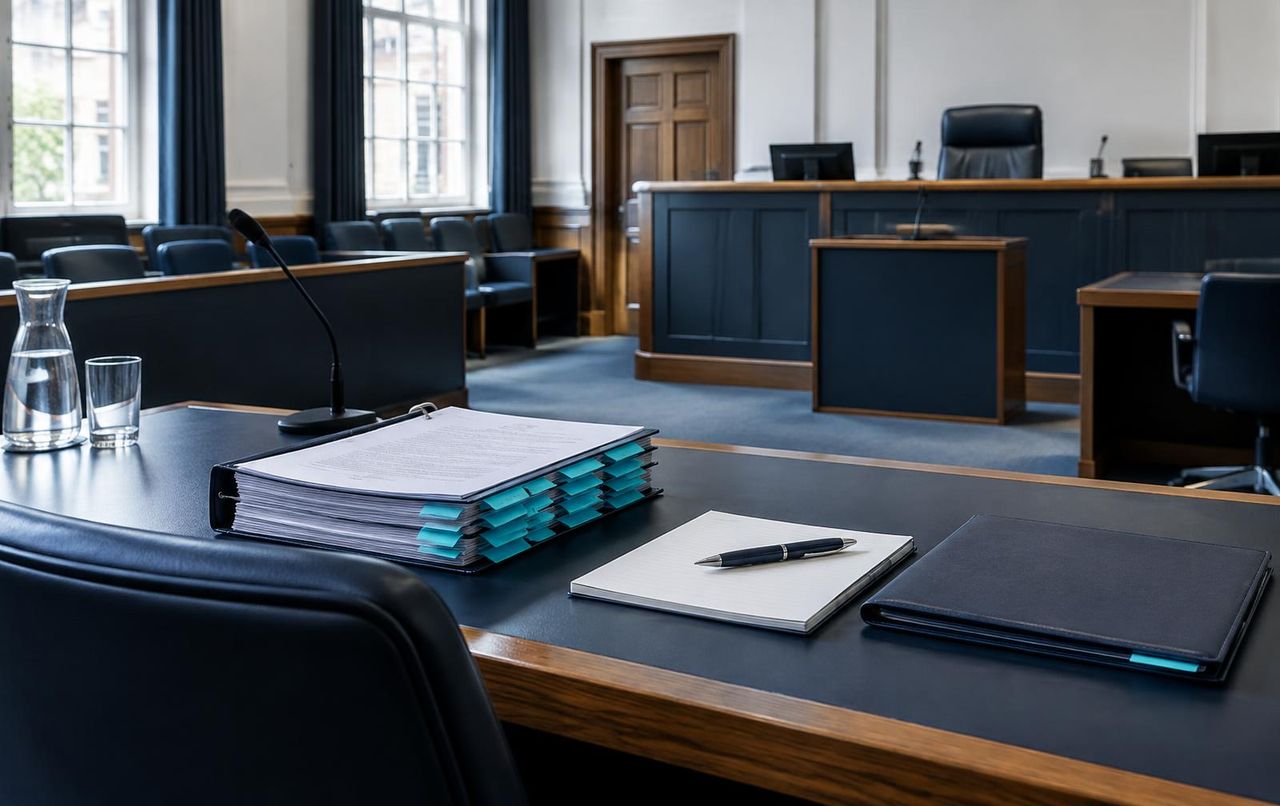
Application notice and witness statement prepared for a relief from sanctions hearing

The short answer

Where a party has failed to comply with a rule, practice direction or order and a sanction applies, CPR 3.9 allows the court to grant relief. Following Denton v TH White, the court asks whether the breach is serious or significant, why it happened, and whether relief is just in all the circumstances, giving particular weight to efficient litigation and compliance.

When relief from sanctions is needed

Many civil procedure rules carry automatic consequences. A party that files its costs budget late is treated as having budgeted for court fees only under CPR 3.14. A party that serves a witness statement late may not call the witness without permission under CPR 32.10. Unless orders take effect without any further step. In each case the defaulting party is bound by the sanction unless the court grants relief.

CPR 3.8 confirms that where a rule, practice direction or order imposes a sanction, it has effect unless the party in default applies for and obtains relief. Rule 3.8(4) allows parties to agree in writing to extend time for a step by up to 28 days without the court, provided the extension does not put at risk a hearing date. Using that power before a deadline expires is far cheaper than applying for relief afterwards.

The wording of CPR 3.9

On an application for relief, the court will consider all the circumstances of the case so as to enable it to deal justly with the application, including the need for litigation to be conducted efficiently and at proportionate cost, and the need to enforce compliance with rules, practice directions and orders. The application must be supported by evidence.

The 2013 Jackson reforms deliberately tightened the old, longer list of factors. In Mitchell v News Group Newspapers the Court of Appeal emphasised a stricter approach, and the following year in Denton v TH White Ltd it clarified the test to discourage opportunistic refusals to agree reasonable extensions. Denton remains the leading authority.

Stage one: is the breach serious or significant?

The court first assesses the seriousness and significance of the failure to comply. The focus is on the breach itself, not on unrelated earlier failures. A breach that imperils a hearing date or otherwise disrupts the conduct of the litigation is likely to be serious, while a short delay with no practical consequence may be neither serious nor significant.

If the breach is neither serious nor significant, relief will usually be granted and the court need not spend long on the later stages. Where it is serious or significant, the court moves to consider why it occurred. Applicants should be candid: understating a significant breach rarely helps and damages credibility on the remaining questions.

Stage two: why did the default occur?

The court then considers the reason for the failure. Good reasons may include illness or events genuinely outside the party’s control. Pressure of work, overlooking a deadline, or a fee earner leaving the firm are generally not good reasons, although they are not necessarily fatal on their own.

The evidence matters. A witness statement should explain, with dates, what the deadline was, why it was missed, when the default was discovered and what was done immediately afterwards. Vague explanations, or explanations that shift between correspondence and evidence, invite the court to conclude there is no good reason at all.

Stage three: all the circumstances

Finally, the court evaluates all the circumstances so as to deal justly with the application, giving particular weight to the two factors in CPR 3.9(1)(a) and (b): efficient and proportionate litigation, and enforcing compliance. Relevant matters include the promptness of the application, past compliance and the prejudice the sanction would cause compared with the effect of the breach on the other side.

Promptness is often decisive. An application issued within days of discovering the problem, with the late document already filed, is in a much better position than one issued weeks later after the opponent has raised the point. Denton also warned parties that unreasonably opposing relief, or refusing to agree reasonable extensions, may themselves face costs sanctions.

Costs consequences of a relief application

Even a successful applicant is usually ordered to pay the costs of the application, because the application was needed only due to its own default. Those costs are often summarily assessed at the hearing, so the applicant’s representatives should be ready with a statement of costs and the respondent should file its own N260 in time.

In budgeting cases, the stakes are particularly high. Being limited to court fees can remove most of the receiving party’s recoverable costs, which is why relief applications following late Precedent H filing are frequently contested. Where relief is refused, the defaulting party may still argue on assessment about the effect of the sanction, but the starting point is unforgiving.

Frequently asked questions

What is the Denton test?

It is the three-stage approach from Denton v TH White Ltd [2014] EWCA Civ 906: identify the seriousness and significance of the breach, consider why it occurred, and evaluate all the circumstances, giving particular weight to efficient litigation and compliance with rules and orders.

Can the parties agree to extend a deadline?

Under CPR 3.8(4), parties can agree in writing to extend time by up to 28 days without applying to court, provided the extension does not put any hearing date at risk. Some rules and orders exclude this, so check the wording.

Is pressure of work a good reason for missing a deadline?

Generally no. Courts have repeatedly said that heavy workloads or administrative oversight are not good reasons, although the overall circumstances may still justify relief at the third stage.

Who pays the costs of a relief application?

Usually the applicant, even if relief is granted, because the application arose from its default. A respondent who opposed relief unreasonably may, however, be ordered to pay costs.

Rules and further reading

General information for England and Wales, not advice on a specific case. Check current rules, orders and individual authorisations. Contact our Costs Lawyers to discuss your papers and deadlines.

Discuss a matter

Clear advice starts with a conversation.

Contact our Costs Lawyers