
Civil Procedure Rules

CPR 46 explained: non-party costs, litigants in person, wasted costs and solicitor-client assessment

A guide to the special costs cases in CPR Part 46: costs against non-parties, children and protected parties, litigants in person, wasted costs, solicitor-client assessment and costs-only proceedings.

Qualified Costs Lawyers, regulated by the Costs Lawyers Standards Board (CLSB), supported by experienced Costs Draftsmen.

Quick enquiry

Tell us about your matter

We do not use enquiry details for marketing.

All insightsBy Thomas Higginbottom · · 6 min read
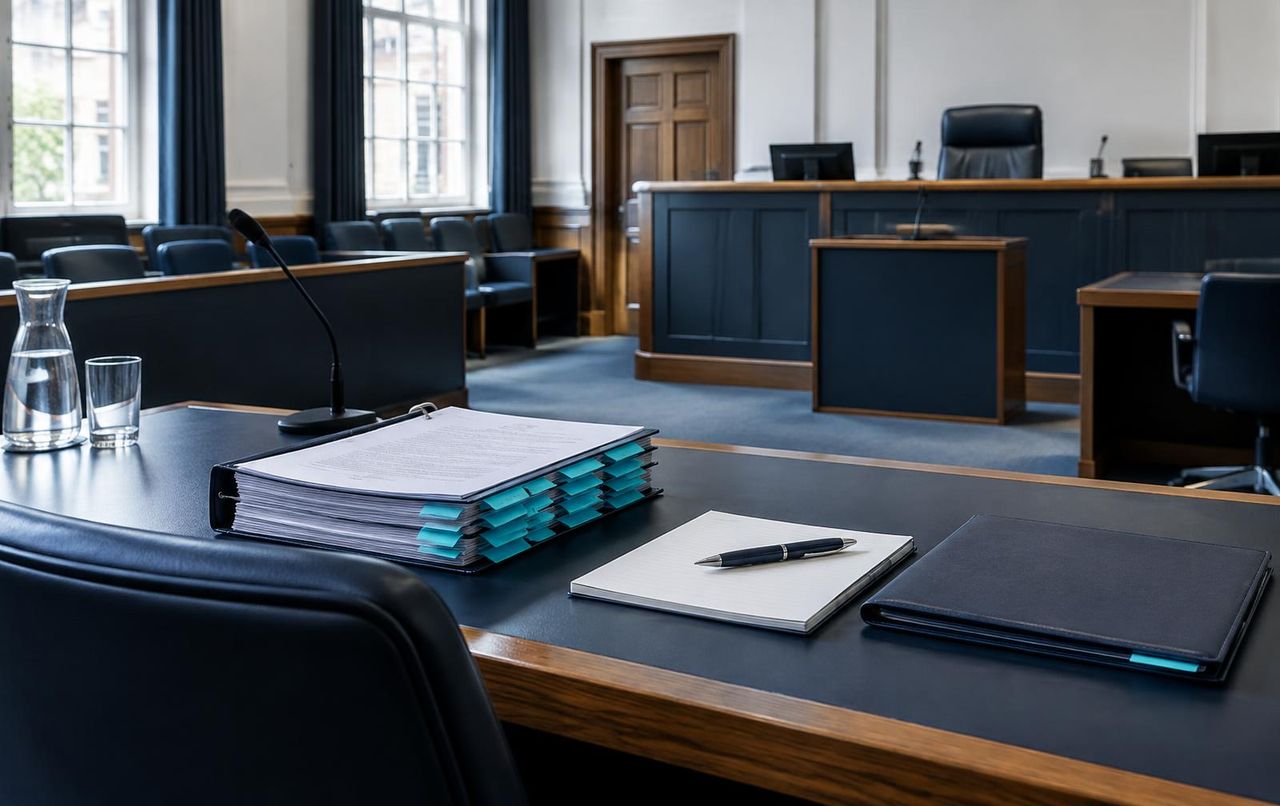
Costs judge’s papers for a solicitor and client assessment under CPR Part 46

The short answer

CPR Part 46 deals with costs situations that do not fit the ordinary loser-pays model. It covers orders against non-parties, costs for children and protected parties, what litigants in person can recover, wasted costs against lawyers, the presumptions that apply when a client challenges its own solicitor’s bill, and costs-only proceedings where the only dispute is the amount of costs.

Why a separate Part for special cases

The general rules in Part 44 assume a dispute between parties to the proceedings, each represented and each seeking costs from the other. Real litigation is untidier. Funders, directors and insurers may control a case without being a party; claimants may act for themselves; lawyers may cause wasted expenditure; and clients may dispute their own solicitor’s charges. Part 46 provides tailored rules for these situations.

Each section of Part 46 sits alongside the general rules rather than replacing them, and Practice Direction 46 supplies important detail, including the hourly rate for litigants in person and the procedure for wasted costs. The sections below focus on the parts of Part 46 most often encountered in practice.


Costs against non-parties: CPR 46.2

Section 51 of the Senior Courts Act 1981 gives the court power to make costs orders against people who are not parties. CPR 46.2 sets the procedure: the non-party must be added as a party for the purposes of costs only and given a reasonable opportunity to attend a hearing at which the court will consider the matter further.

Non-party orders are exceptional, but common targets include commercial funders, a director who controlled and funded a company’s litigation for personal benefit, and insurers who effectively ran a defence in their own interest. The court asks whether it is just to make the order, looking at the non-party’s control, benefit and responsibility for the costs. Funders who finance litigation for profit should expect to be exposed, often up to the amount of funding provided.

Children, protected parties and litigants in person

Under CPR 46.4, where money is claimed by or ordered to be paid to a child or protected party, the court generally orders detailed assessment of the costs payable by that party to its own solicitor, subject to exceptions for small or agreed amounts. This protects vulnerable clients from deductions from their damages that have not been scrutinised. Separate rules address deductions from damages for success fees and insurance premiums.

CPR 46.5 governs litigants in person. They may recover costs for the same categories of work a lawyer could claim, plus reasonable expert assistance on costs. Where they can prove financial loss, they recover that loss for the time reasonably spent; otherwise they recover the time reasonably spent at the rate set in Practice Direction 46, which on the current figures is £24 an hour. Disbursements are recoverable in addition, but a litigant in person can never recover more than two-thirds of the amount a represented party would have been allowed.

Wasted costs orders: CPR 46.8

Section 51(6) of the Senior Courts Act 1981 allows the court to order a legal representative to meet costs incurred because of an improper, unreasonable or negligent act or omission. CPR 46.8 provides that the representative must be given a reasonable opportunity to make written submissions or attend a hearing before an order is made, and the court may direct that privileged documents are disclosed to it.

The courts apply a three-stage approach drawn from Ridehalgh v Horsefield: did the representative act improperly, unreasonably or negligently; did that conduct cause the applicant to incur unnecessary costs; and is it just to order the representative to compensate the applicant. Wasted costs applications should be proportionate and are usually best dealt with at the end of the case, because privilege can prevent the representative from fully explaining its conduct.

Solicitor and client assessment: CPR 46.9 and 46.10

When a client challenges its own solicitor’s bill under the Solicitors Act 1974, the assessment follows Part 46. Rule 46.9 contains presumptions: costs are presumed reasonably incurred if expressly or impliedly approved by the client, and reasonable in amount if their amount was expressly or impliedly approved. Costs are presumed unreasonably incurred if they are unusual in nature or amount and the solicitor did not tell the client that they might not be recovered from the other side.

The indemnity basis applies between solicitor and client, so proportionality does not limit recovery in the same way as between opposing parties. Informed consent is critical: following Belsner v CAM Legal Services, approval for this purpose requires the client to have been properly informed. Rule 46.10 sets the procedure, including the breakdown of costs and points of dispute, and the one-fifth rule in section 70(9) of the Act decides who pays the costs of the assessment.

Costs-only proceedings: CPR 46.14

Sometimes parties settle the substantive dispute before issue, agreeing that one will pay the other’s costs, but cannot agree the amount. CPR 46.14 allows either party to start costs-only proceedings under Part 8 so that the court can assess the costs. The claim form must contain or be accompanied by the agreement or confirmation of the settlement terms.

The court will dismiss the claim if it is opposed on the basis that there was no agreement to pay costs, so the written settlement must be clear about liability for costs. If the claim would have been subject to fixed costs, the fixed regime continues to apply in costs-only proceedings. Detailed assessment then follows the usual Part 47 procedure, including points of dispute and replies.

Frequently asked questions

Can costs be ordered against someone who was not a party?

Yes. Under section 51 of the Senior Courts Act 1981 and CPR 46.2, the court can order a non-party to pay costs if it is just to do so, often where the non-party funded or controlled the litigation for its own benefit. The non-party must be joined for costs purposes and given an opportunity to be heard.

How much can a litigant in person recover per hour?

If they cannot prove financial loss, a litigant in person recovers time reasonably spent at the rate in Practice Direction 46, currently £24 an hour. Overall recovery cannot exceed two-thirds of what a represented party would have been allowed, plus disbursements.

What is a wasted costs order?

It is an order requiring a legal representative personally to pay costs caused by improper, unreasonable or negligent conduct. CPR 46.8 requires the representative to have a fair opportunity to respond before any order is made.

What are costs-only proceedings?

They are Part 8 proceedings under CPR 46.14 used where parties have agreed the dispute and that costs will be paid, but cannot agree the amount. The court assesses the costs without the substantive claim ever being issued.

Rules and further reading

General information for England and Wales, not advice on a specific case. Check current rules, orders and individual authorisations. Contact our Costs Lawyers to discuss your papers and deadlines.

Discuss a matter

Clear advice starts with a conversation.

Contact our Costs Lawyers