

Detailed assessment

Legal costs assessment explained: summary, detailed, provisional and solicitor-client

A guide to legal costs assessment in England and Wales: summary and detailed assessment, provisional assessment, standard and indemnity bases, solicitor-client assessment, timescales and costs.

Qualified Costs Lawyers, regulated by the Costs Lawyers Standards Board (CLSB), supported by experienced Costs Draftsmen.

Speak to our team

How can we help?

Tell us about your costs question and any deadline.

Your details are used to respond, not for marketing.

Advice from individually CLSB-regulated Costs Lawyers.

Prefer to call? 020 4538 3944
All insightsBy Robert Collington · · 6 min read
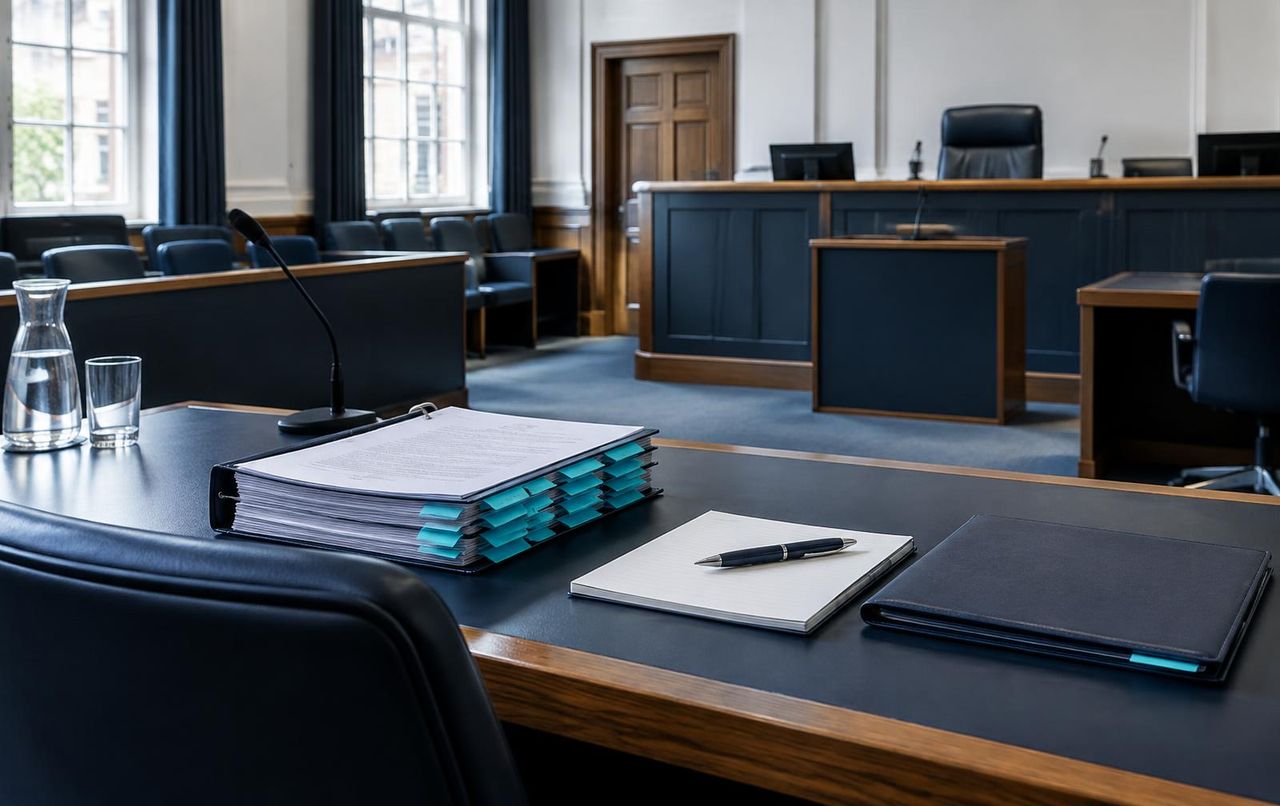
Costs judge’s bench with a bundle prepared for a legal costs assessment

The short answer

A legal costs assessment is the court’s process for deciding how much of a party’s or solicitor’s costs are payable. It can be summary, at the end of a short hearing, or detailed, after the case ends. The basis of assessment, the size of the bill and who is paying decide which procedure and test apply.

What is a legal costs assessment?

When a court orders one party to pay another’s costs, or when a client disputes a solicitor’s bill, and the figure cannot be agreed, the court decides the amount through an assessment. A legal costs assessment is not a review of whether the case was won fairly; it is an examination of whether costs were reasonably incurred, reasonable in amount and, in most cases between opponents, proportionate.

There are several types of assessment, and choosing or responding to the right one is important. The main distinction is between summary assessment, done by the judge at the hearing, and detailed assessment, which follows a formal procedure under CPR Part 47.

Summary assessment

Summary assessment usually happens at the end of a hearing lasting one day or less, and at the end of fast track trials. Each party seeking costs must file and serve a statement of costs, normally on form N260, at least 24 hours before the hearing, or at least two days before a fast track trial. The judge considers the statement, hears brief submissions and fixes a figure.

Because summary assessment is quick, preparation of the N260 matters. A statement that is unclear, late or unsupported can lead to a reduced award or even no order. Our N260 guide explains how to prepare one and how to object to an opponent’s.

Detailed assessment

Detailed assessment is the usual route at the end of a multi-track case or where the court orders it. The receiving party must start proceedings within three months of the judgment or order by serving a notice of commencement and a bill of costs. The paying party has 21 days to serve points of dispute, and the receiving party may serve replies within 21 days after that. If the matter does not settle, the receiving party requests an assessment hearing.

Bills of £75,000 or less are normally dealt with by provisional assessment, where the court decides on the papers. Either party can ask for an oral hearing within 21 days of receiving the decision, but must beat the provisional result by 20% or more to avoid paying the costs of that hearing. Bills above that level go to a hearing before a costs judge in the Senior Courts Costs Office or a district judge in the county court. Our detailed assessment proceedings page explains each stage.

The basis of assessment

On the standard basis, the court allows only costs that are proportionate and reasonably incurred, resolving any doubt in favour of the paying party. On the indemnity basis, proportionality does not apply and doubt is resolved in favour of the receiving party. The order will state the basis; if it does not, the standard basis applies. Indemnity costs are often ordered after unreasonable conduct or where a claimant beats its own Part 36 offer.

Under CPR 44.4 the court has regard to all the circumstances, including conduct, the value and importance of the matter, its complexity, the skill and responsibility involved, the time spent, where the work was done and the last approved or agreed budget. These factors provide the framework for every argument about rates and hours.

Solicitor-client assessment

When a client disputes their own solicitor’s bill, the court can assess it under section 70 of the Solicitors Act 1974. The basis is indemnity, with the presumptions in CPR 46.9: costs are presumed reasonable where the client approved them and presumed unreasonable where they are unusual and the client was not warned. The one-fifth rule usually decides who pays the costs of the assessment.

The process starts with a Part 8 claim, and time limits are critical: one month from delivery for assessment as of right, then discretionary until twelve months, then only in special circumstances. Our solicitor-client assessment page covers the hearing itself.

What happens at the assessment hearing

The judge works through the points of dispute in a sensible order, usually starting with points of principle such as the retainer, hourly rates and budget, then moving through the items. Each side makes short submissions. The judge rules on each point, and the receiving party then recalculates the bill. A final costs certificate follows, normally requiring payment within 14 days.

The costs of the assessment itself are part of the dispute. The receiving party is generally entitled to them, but the court considers conduct, the amount by which the bill was reduced and any admissible offers. A paying party that made a good offer which the receiving party failed to beat may recover its assessment costs instead.

How long assessment takes and what it costs

Timescales vary by court and complexity. Provisional assessments are often decided within a few months of the request; substantial detailed assessments can take longer to list. Costs of preparing and attending the assessment can be significant, which is why most cases settle. For provisional assessments, the costs of the assessment are capped at £1,500 plus VAT and court fees, unless the court orders otherwise.

If you need a Costs Lawyer to prepare the bill, the points of dispute or the replies, or to represent you, see our detailed assessment hearing page, or ask for legal costs advice at the outset.

Frequently asked questions

What is the difference between summary and detailed assessment?

Summary assessment is done by the judge at the end of a short hearing using statements of costs. Detailed assessment follows the CPR Part 47 procedure after the case, with bills, points of dispute and replies.

What is provisional assessment?

A paper assessment for bills of £75,000 or less. A party can request an oral hearing but must improve on the result by 20% to avoid paying that hearing’s costs.

Who pays the costs of the assessment?

Usually the receiving party recovers them, but the court considers conduct, the size of reductions and admissible offers, including Part 36 offers.

Can a client ask for an assessment of their own solicitor’s bill?

Yes, under section 70 of the Solicitors Act 1974, subject to strict time limits and the one-fifth rule on costs.

Rules and further reading

General information for England and Wales, not advice on a specific case. Check current rules, orders and individual authorisations. Contact our Costs Lawyers to discuss your papers and deadlines.

Discuss a matter

What is your next costs question?

A bill to challenge, a budget to prepare or a hearing ahead? Tell us about the matter and any deadline.