


For clients

Solicitor fees too high? How to check your bill and what you can do about it

Think your solicitor’s fees are too high? How to check the bill against your retainer and estimates, ask for an itemised bill, complain, use the Legal Ombudsman or apply for assessment.

Qualified Costs Lawyers, regulated by the Costs Lawyers Standards Board (CLSB), supported by experienced Costs Draftsmen.

Speak to our team

How can we help?

Tell us about your costs question and any deadline.

Your details are used to respond, not for marketing.

Advice from individually CLSB-regulated Costs Lawyers.

Prefer to call? 020 4538 3944
All insightsBy Thomas Higginbottom · · 6 min read
Client comparing a solicitor’s invoice with the original client care letter

The short answer

If your solicitor’s fees seem too high, compare the bill with your client care letter, estimates and updates, ask for a breakdown, then raise a complaint with the firm. If that does not resolve it, you may be able to go to the Legal Ombudsman or ask the court to assess the bill under the Solicitors Act 1974, but time limits apply.

Why solicitor fees can feel too high

An unexpectedly large solicitor’s bill is one of the most common reasons people look for help with legal costs. Sometimes the fees are genuinely excessive. More often, the bill is the result of work that grew without the client fully understanding the cost: a dispute that ran longer than expected, extra correspondence, expert reports or counsel’s fees. Both situations can be addressed, but the answer depends on what you agreed and what you were told along the way.

Feeling that a bill is too high is not the same as proving it is unreasonable. The useful question is whether the charges match the agreed basis of charging, whether the work was reasonably done and whether you were given the information you needed to make informed decisions.
Step one: gather the paperwork

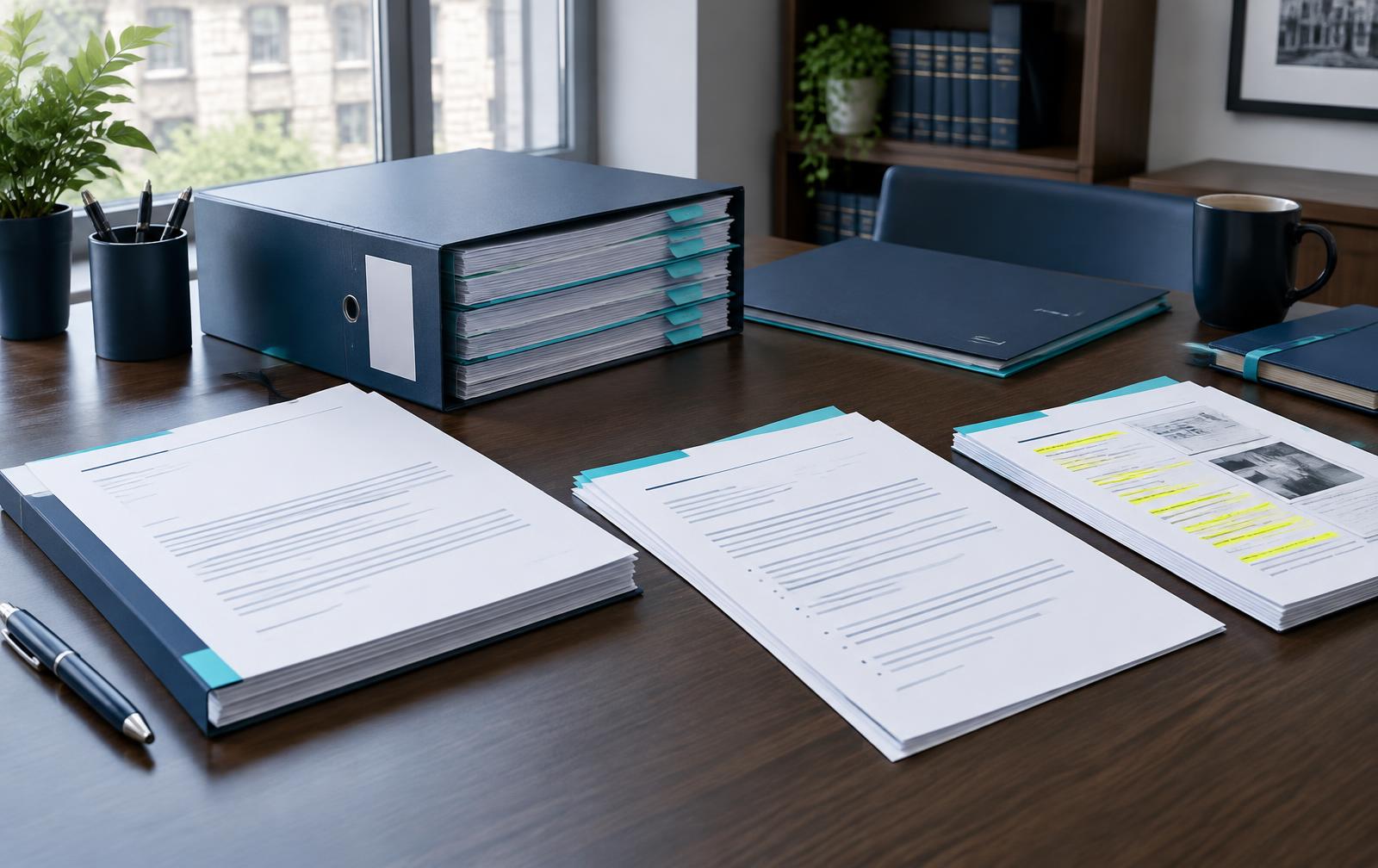
Find the client care letter and terms of business. These should set out the hourly rates or fixed fees, who would do the work, how disbursements and VAT are charged and how often you would be billed. Then collect any estimates, cost updates, interim invoices and emails discussing cost. Solicitors regulated by the SRA must give clients the best possible information about the likely overall cost of their matter, both at the outset and as it progresses.

If the bill is a single total, ask for a breakdown. A detailed bill or a time ledger shows who did what and for how long. Many apparent problems are explained, or confirmed, once you see the entries.

Step two: compare the bill with what you agreed

Check that the hourly rates charged match the rates in your agreement, including any agreed increases. Check that senior fee earners were not used for work a junior could do, unless that was agreed. Look for duplicated attendances, long internal meetings, and administrative tasks such as file opening charged as legal work. Compare the total with the estimates: if the final bill is far above the last estimate and you were never warned, that may be significant.

An estimate is not usually a binding cap, but a large unexplained departure can be relevant on assessment and in a complaint. The court can take into account what the client was told when deciding whether costs are reasonable. Our article on client vulnerability and legal costs and the Belsner decision explain why informed consent matters.

Step three: raise it with the firm

Write to the solicitor or the firm’s complaints partner explaining which items you dispute and why. Keep it factual: quote the agreed rate, the estimate and the entries you question. Every firm must have a complaints procedure and tell you about it. Many fee disputes resolve at this stage with a reduction, an explanation or an agreed payment plan.

Do not simply stop paying without explanation, and do not assume a complaint protects your legal rights. The time limits for asking the court to assess the bill continue to run while the complaint is considered.

Step four: the Legal Ombudsman

If the firm does not resolve your complaint within eight weeks, or you are unhappy with its final response, you may be able to refer the complaint to the Legal Ombudsman. The Ombudsman looks at service, including whether costs information was adequate, and can order remedies such as a fee reduction. There are eligibility rules and time limits, generally including referral within six months of the firm’s final response and within one year of the problem or of when you should have known about it.

The Ombudsman will not usually deal with a complaint about the bill if the court has already assessed it. For large or technical disputes about the amount, court assessment may be more appropriate.

Step five: court assessment under the Solicitors Act 1974

Section 70 of the Solicitors Act 1974 allows a client to ask the court to assess a solicitor’s bill. If you apply within one month of delivery of the bill, assessment is ordered as of right. Between one and twelve months, the court has discretion. After twelve months, after payment or after judgment on the bill, assessment is only available in special circumstances. A client generally cannot apply more than twelve months after payment.

On assessment, costs are assessed on the indemnity basis with presumptions in CPR 46.9: costs are presumed reasonable if you expressly or impliedly approved them, and presumed unreasonable if unusual in nature or amount and you were not told they might not be recoverable from another party. If the bill is reduced by one fifth or more, the solicitor generally pays the costs of the assessment; if not, the client usually pays. That one-fifth rule is why an early, realistic analysis matters.

When the bill relates to a winning case

If you won your case and the solicitor is deducting a success fee or a shortfall from your damages, the issues are slightly different. The question is often what the conditional fee agreement or damages-based agreement allows, and whether you understood the deduction. In personal injury cases, success fee deductions are capped at 25% of certain damages. Our retainers and recovery article explains how these shortfalls arise.

Whatever your situation, start with the documents and act within the time limits. Our challenge a solicitor’s bill page sets out the routes in full, and a short legal costs advice review can tell you whether a formal challenge is likely to be worthwhile.

Frequently asked questions

Can I refuse to pay a solicitor’s bill I think is too high?

You should not simply ignore it. Pay any undisputed part if appropriate, explain the disputed items in writing and consider complaint or assessment within the time limits.

Is an estimate binding on my solicitor?

Not usually, but a large unexplained departure from an estimate can be relevant in a complaint and on assessment.

How long do I have to apply for assessment?

Within one month of delivery for assessment as of right; up to twelve months at the court’s discretion; later only in special circumstances, and not more than twelve months after payment.

Who pays the costs of a Solicitors Act assessment?

Generally, if the bill is reduced by at least one fifth the solicitor pays; otherwise the client usually pays, subject to the court’s discretion.

Rules and further reading

General information for England and Wales, not advice on a specific case. Check current rules, orders and individual authorisations. Contact our Costs Lawyers to discuss your papers and deadlines.

Discuss a matter

What is your next costs question?

A bill to challenge, a budget to prepare or a hearing ahead? Tell us about the matter and any deadline.