


Drafting and practice management

Time recording for costs recovery: a practical guide for solicitors

Improve time recording for costs recovery with practical guidance on descriptions, rates, phase coding, disbursement records, exports and bill review.

Qualified Costs Lawyers, regulated by the Costs Lawyers Standards Board (CLSB), supported by experienced Costs Draftsmen.

Speak to our team

How can we help?

Tell us about your costs question and any deadline.

Your details are used to respond, not for marketing.

Advice from individually CLSB-regulated Costs Lawyers.

Prefer to call? 020 4538 3944
All insightsBy Thomas Higginbottom · · 7 min read
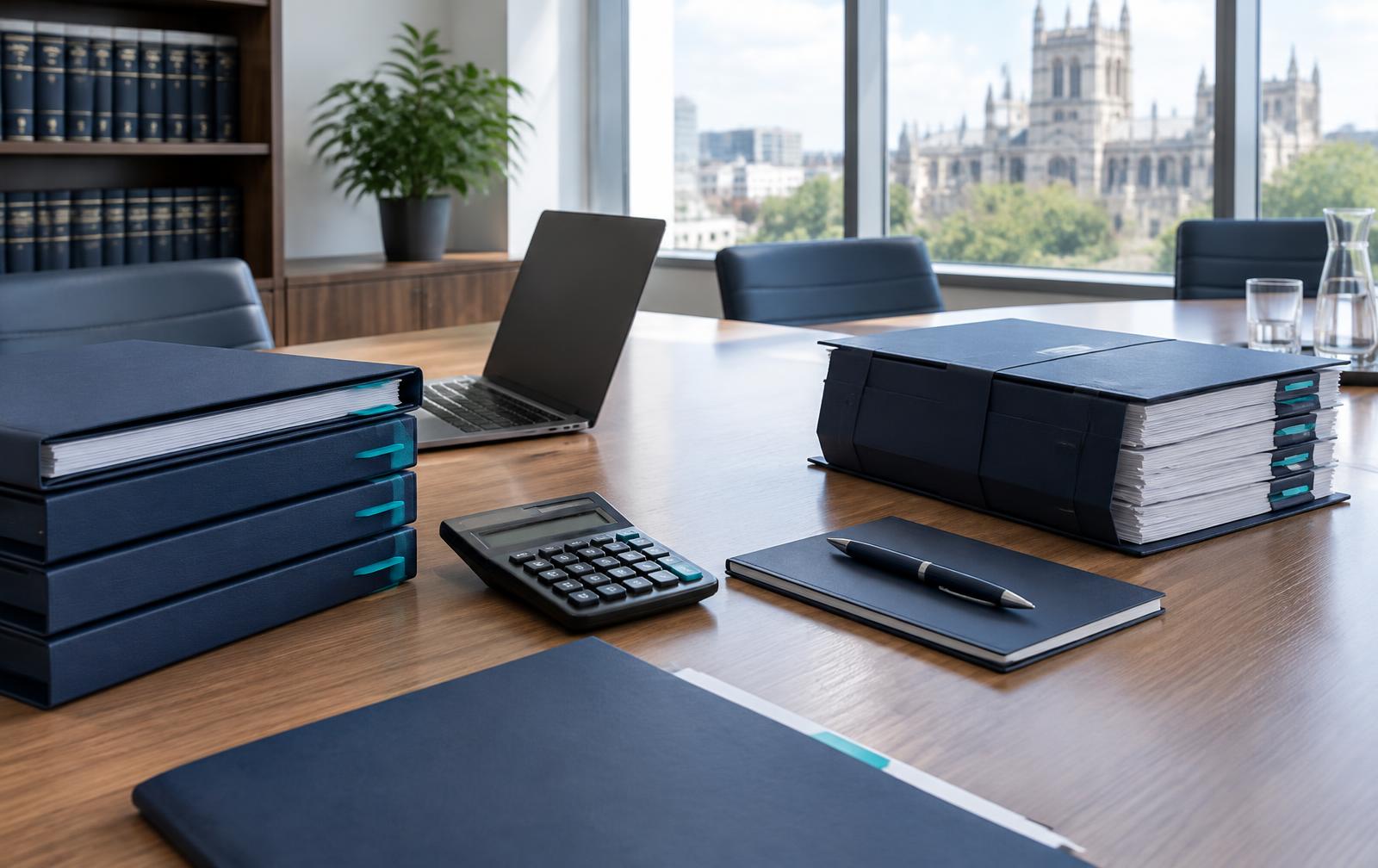
Costs records, invoices and litigation papers arranged for drafting review

The short answer

Useful time recording explains the work and provides a traceable source for costs drafting. It does not guarantee recovery. Record accurately, preserve supporting documents and resolve uncertainties without inventing time or rewriting the history.

Time recording is evidence, not an automatic entitlement

Time recording for costs recovery should explain the work done, when it was done, who did it and how long it took. It should also make the purpose understandable. A ledger is a source of evidence for drafting, but its total is not automatically the recoverable amount. The costs order, funding arrangement and applicable assessment or fixed-costs rules remain important.

This guide concerns preparing records for civil litigation costs in England and Wales. Client invoicing and recovery from an opponent are related but distinct. An agreed contractual charge may not be recoverable in full on an inter-partes assessment. Records should allow the drafter to examine that distinction rather than assume that transferring an invoice total into a bill establishes the opponent’s liability.
Capture the activity while the detail is available

Recording promptly reduces the need to reconstruct events from memory. Identify the task and the issue it addressed, using an accurate description that another reader can follow. A brief entry can be sufficient if its meaning is clear. A long narrative is not necessarily better if it combines unrelated activities or explains little about their purpose.

For example, an illustrative entry describing review of an expert report to identify questions for clarification is more useful than a bare reference to reviewing papers. The description should reflect the actual work and duration; it is not permission to add a purpose later because it sounds more persuasive. Attendance notes and time entries serve different functions, so retain the underlying note where it supplies the detail needed to explain an item.

Distinguish separate tasks without manufacturing time

A single block covering disclosure, a witness call and administrative work may be difficult to allocate or assess. Where possible, record genuinely distinct tasks separately when they occur. This makes it easier to analyse work by phase and identify what an entry includes. It also helps the client understand why the time was spent.

Do not split an existing entry retrospectively by inventing precise durations. If later clarification is needed, identify its source and retain the original record. A recollection supported by contemporaneous documents may assist review, but should not be presented as an original time note. If the evidence does not permit reliable allocation, flag that limitation so the costs team can advise on treatment rather than hiding uncertainty behind apparently exact figures.

Keep fee-earner information and rate changes clear

The drafting team needs to identify the person doing the work, their relevant role and the rate applicable during the period claimed. If a fee earner changes grade or rates change during the case, provide the effective dates and supporting charging information. Unexplained differences between the ledger and the retainer can create avoidable queries.

The recorded rate is not automatically the rate recoverable from the opponent. Guideline hourly rates and case-specific circumstances may be relevant to assessment, but neither a higher contractual rate nor a senior job title answers the question alone. Explain why the work required the level of expertise used where the records support it. Avoid treating every task in a complex case as necessarily requiring the most senior practitioner.

Explain multiple attendances and delegation

When several fee earners attend the same meeting or review the same document, record their actual roles. One may be taking instructions while another addresses a specialist issue; alternatively, the work may overlap without a clear justification. The presence of two entries does not decide recoverability either way. The surrounding records and reason for the involvement need consideration.

Delegation should be visible in the history rather than inferred from a series of internal emails. Explain substantive supervision where appropriate, without relabelling routine administration as legal work. A draft bill should not automatically include every internal communication at full value. The costs team needs enough information to assess the claim, raise questions and distinguish justified collaboration from unnecessary duplication.

Link the records to budgeting phases

Where costs management applies, useful phase information connects work undertaken to the litigation plan. Electronic bills organise work by phases, tasks and activities within the applicable requirements. Coding should follow the actual nature of the work, not the phase with spare budget available. Incorrect allocation can obscure the comparison between expenditure and the approved or agreed budget.

Provide the budget assumptions, orders and any variations with the time export. A costs budget does not approve incurred costs or guarantee payment of its totals. If the case develops differently from the original plan, retain the relevant directions and explanations. Our Precedent H and Precedent T guides discuss budgeting and variation; a tidy time ledger cannot substitute for addressing a required procedural step.

Disbursements need more than a ledger label

Keep counsel’s fee notes, expert invoices, court-fee records and other supporting documents with the relevant instructions. The record should explain what the expense concerned and which matter or stage it belongs to. If an invoice covers several clients or proceedings, identify the allocation and its basis rather than charging the full sum to each file.

Reconcile credits, revised invoices and payments already made. Explain any cancellation fee or unusual expense through the actual agreement and chronology. VAT requires appropriate treatment rather than automatic addition to every item. A disbursement invoice is evidence of a charge, but the applicable rules still determine whether and how it can be recovered. Our disbursements guide explains the broader distinction between an expense incurred and a recoverable claim.

Prepare exports that another person can audit

Before outsourcing costs drafting, agree the export format and explain the system’s units, abbreviations and adjustments. Include enough information to trace each entry to its source. An export with time shown in units may be misread as hours if the convention is not explained. Changes in matter numbers or merged files should also be identified.

Keep an untouched source export and a record of approved corrections. Check whether write-offs, non-chargeable entries and duplicates are displayed consistently. Do not use a cleaned export to conceal the underlying record or make unsupported additions. The drafter can then raise specific queries and the solicitor can respond with evidence, rather than both teams working from different versions without knowing why their totals differ.

Review the draft and use feedback prospectively

When the bill returns, compare it with the orders and source records. Check rates, dates, phase allocation and disbursement reconciliation. Review explanations of significant work and identify unresolved queries. Required certification and approval should be approached as an informed check, not a formality completed because the spreadsheet calculates correctly.

Use recurring questions to improve future recording. If expert instructions repeatedly lack a clear purpose, improve the contemporaneous description. If shared files cause allocation problems, address the recording process earlier. Accurate records do not promise full costs recovery, but they make legal costs drafting and evidence-led negotiation more reliable. Start with supported facts and a traceable record; persuasive presentation should clarify the claim, not change what actually happened.

Frequently asked questions

What papers are needed for legal costs drafting?

Send the relevant orders, funding documents, time records, rates, invoices and any budgets or variations. Identify the required document, deadline and gaps in the file. Agree the accepted scope before work begins.

Does a recorded time entry guarantee recovery?

No. Records provide evidence; entitlement, assessment principles and the applicable costs regime determine what is recoverable. A client invoice and an opponent’s liability may differ.

Does a drafting quote include negotiation and advocacy?

Not automatically. Confirm whether advice, revisions, service, negotiation or representation are included. Further stages and relevant individual authorisations need separate consideration.

Rules and further reading

General information for England and Wales, not advice on a specific case. Check current rules, orders and individual authorisations. Contact our Costs Lawyers to discuss your papers and deadlines.

Discuss a matter

What is your next costs question?

A bill to challenge, a budget to prepare or a hearing ahead? Tell us about the matter and any deadline.